

#ESDM
Audit report shows significant energy savings, operational cost reductions for industries
An energy audit conducted by the Sustainable Energy Transition in Indonesia (SETI) Consortium, in collaboration with the Ministry of Energy and Mineral Resources (ESDM), has unveiled potential energy savings of 28.7 million kWh per year for Indonesian industries, equivalent to the electricity consumption of over 25,000 households.
ESDM ministry set to complete feasibility studies for downstream projects by end of 2025
Secretary General of the Ministry of Energy and Mineral Resources (ESDM), Ahmad Erani Yustika, has assured that the feasibility studies (FS) for ongoing downstream projects will be completed by the end of this year.
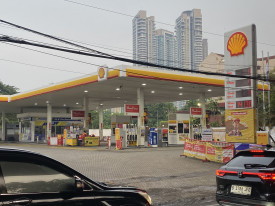
Bahlil asks private gas stations to partner with Pertamina as fuel shortages persist
Minister of Energy and Mineral Resources (ESDM) Bahlil Lahadalia has called on private retailers facing supply shortages of fuel to work with state-owned oil company PT Pertamina in order to safeguard fuel availability and prevent disruptions to the public.
Government, House agree to raise 2026 electricity subsidy to Rp101.72 trillion
The Ministry of Energy and Mineral Resources (ESDM) and Energy Commission XII of the House of Representatives (DPR) have agreed on the basic assumptions for the energy sector under the draft 2026 state budget (RAPBN), including a higher allocation for electricity subsidies.

Government identifies 33,000 community wells for national energy program
The government has identified 33,000 community wells as part of its initiative to enhance local energy access.
Energy ministry focuses on biodiesel development in Merauke, South Papua
The Ministry of Energy and Mineral Resources (ESDM) is intensifying efforts to accelerate biodiesel production in Merauke, South Papua, aimed at meeting domestic energy needs.
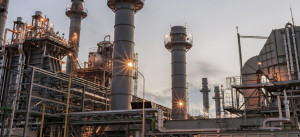
Government reaffirms natural gas as key pillar of energy transition
The government has maintained that natural gas is the primary source of energy transition in the country's energy strategy. Mirza Mahendra, Director of the Program Development Division at the Ministry of Energy and Mineral Resources (ESDM), said while representing Acting Director General of Oil and Gas, Tri Winarno, outlined the government’s focus on prioritizing gas use for domestic needs.
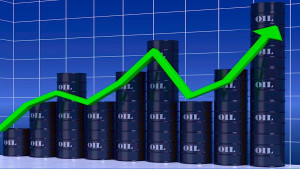
Govt optimistic of hitting year-end target as daily oil lifting reaches 608,000 barrels
The government is optimistic of achieving the year-end oil production target as Indonesia’s daily oil lifting has surpassed 608,000 barrels per day over the past two weeks, exceeding the government’s annual target of 605,000 barrels per day.
Indonesia-Malaysia explore joint development of disputed East Ambalat oil & gas block
Indonesia and Malaysia are still in the early stages of discussions to potentially jointly develop the East Ambalat oil and gas block, a resource-rich offshore area located near their maritime border in the Sulawesi Sea.
Government eyes win-win energy trade deal with U.S. following tariff agreement
Minister of Energy and Mineral Resources (ESDM) Bahlil Lahadalia has vowed to ensure that the recently brokered trade agreement between President Prabowo Subianto and U.S. President Donald Trump would bring tangible benefits to Indonesia’s energy sector, particularly in securing strategic imports while exploring new export opportunities.
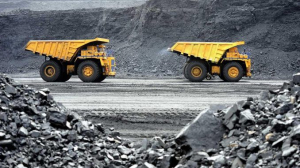
Indonesia to reinstate RKAB system to tackle oversupply, market manipulation
Minister of Energy and Mineral Resources (ESDM), Bahlil Lahadalia, has announced that the government will return to issuing annual mining work plan permits (RKAB) starting in 2026, in an effort to address oversupply, price instability, and poor regulatory oversight in the country’s mineral and coal sectors.
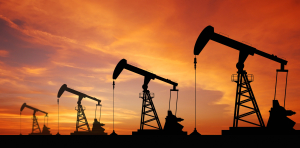
2026 energy budget proposals based on lower oil price assumptions amid global market shifts
Minister of Energy and Mineral Resources, Bahlil Lahadalia, proposes that the country's 2026 energy state budget be based on an Indonesian Crude Price (ICP) range of US$60–80 per barrel, citing declining global demand, oversupply, and geopolitical uncertainties.