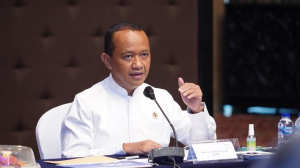



Minister of Energy and Mineral Resources (ESDM), Bahlil Lahadalia, has announced that the government will return to issuing annual mining work plan permits (RKAB) starting in 2026, in an effort to address oversupply, price instability, and poor regulatory oversight in the country’s mineral and coal sectors.
"Starting today, we will return to issuing RKABs annually," Bahlil told lawmakers during a hearing with the House of Representatives (DPR) Energy Commission XII on Wednesday, July 3, 2025.
"We need to ensure domestic and export needs are balanced with production plans. There must be no more games. This is about protecting our national interest." he added.
The decision follows years of criticism over the multi-year RKAB system, which lawmakers say has created massive gaps between approved production volumes and actual industry absorption. Bahlil cited the example of bauxite, where 45 million tons were approved under RKAB, but only 20 million tons were absorbed by the market.
“This oversupply has led to price collapses and eroded the value of our strategic natural resources,” he said.
Bahlil stressed that Indonesia must no longer tolerate companies that overproduce or manipulate RKAB permits. "We will evaluate everything. No more issuing RKABs for 10 million tons if the actual production is 12 million tons. That must stop," he said.
Stricter oversight
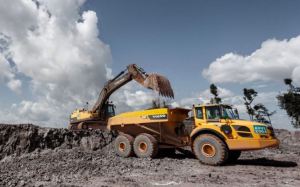
The ministry will also tighten monitoring of smelters and mining operations in integrated industrial areas, especially those where the smelter and mine are located just a few kilometers apart. Bahlil revealed that real-time monitoring teams will be deployed 24/7 to prevent misreporting and ensure volumes and quality match RKAB approvals.
“I have seen firsthand how difficult it is to supervise smelters located just 2 kilometers from the mines,” Bahlil said. “From now on, we will require on-site checks for volumes. No more hiding behind paperwork.”
The ministry also plans to clamp down on illegal sales and irregularities in land-based mineral sales, a concern frequently raised by lawmakers. Several House members described cases where weighing stations were only activated during official visits.
Bahlil pledged that his ministry will introduce new regulations and surveillance mechanisms to prevent abuse and protect state revenue.
Balancing business, sovereignty
Bahlil acknowledged the importance of collaboration between government and business but underlined that “no company is above the state.”
“We must be firm. Companies need the state, and the state also needs companies. But no one should manipulate the system,” he declared. “If a company violates national dignity, we will act accordingly.”
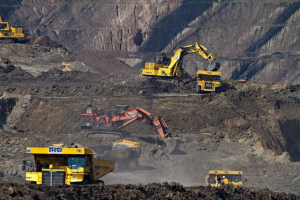
Indonesia is the world’s largest exporter of thermal coal and a key producer of nickel and bauxite. The country’s mining industry has been under scrutiny over lax permitting, environmental violations, and opaque reporting practices.
The decision to reinstate annual RKAB evaluations marks a significant policy reversal. It is expected to impact hundreds of mining firms operating under multi-year permits and could tighten supply in the short term, potentially supporting commodity prices.
Already have an account? Sign In
-
Start reading
Freemium
-
Monthly Subscription
20% OFF$29.75
$37.19/MonthCancel anytime
This offer is open to all new subscribers!
Subscribe now -
Yearly Subscription
33% OFF$228.13
$340.5/YearCancel anytime
This offer is open to all new subscribers!
Subscribe now
Set up email notifications for these topics