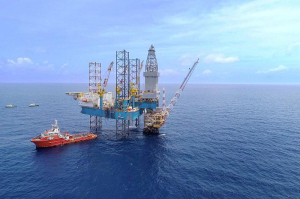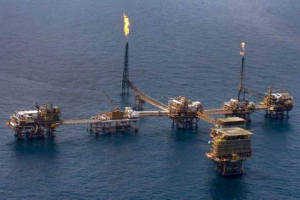



The government is optimistic of achieving the year-end oil production target as Indonesia’s daily oil lifting has surpassed 608,000 barrels per day over the past two weeks, exceeding the government’s annual target of 605,000 barrels per day.
This progress is partly driven by the formal inclusion of community-operated oil wells, which officially became part of national production as of August 1, 2025. Despite being labeled “community wells,” the government clarifies that no new wells are being drilled, but existing old wells that are currently undergoing a national inventory process.
“It’s important to clarify − these are not new wells, but existing old wells being processed so their production can be officially counted toward national lifting,” Dwi Anggia, Spokeswoman of the Ministry of Energy and Mineral Resources (ESDM), said on Friday, August 1, 2025.
An estimated 30,000 community oil wells have been identified, located across four key regions: Aceh, South Sumatra, Jambi, and Central Java. However, no formal production-sharing contracts have yet been signed between community operators and State energy company Pertamina or other Cooperation Contract Contractors (KKKS).
The inventory process is underway and depends heavily on coordination between regional and central governments. “Final approval will come from the (ESDM) Minister via SKK Migas (Upstream Oil and Gas Regulatory Task Force), but local governments must actively report field conditions,” Anggia said.
If the process is completed efficiently, these wells could contribute up to 20,000 barrels per day, or potentially even more to national output.
In a separate development, ahead of the October deadline for submitting the Work Plan and Budget (RKAB), the ESDM ministry plans to convene industry players and associations to socialize the latest regulatory changes − most notably, the shift from a three-year to a one-year RKAB cycle.
“This is exactly why we’re holding early consultations − to avoid future surprises, tighten oversight, and improve compliance,” Anggia said.
Already have an account? Sign In
-
Start reading
Freemium
-
Monthly Subscription
20% OFF$29.75
$37.19/MonthCancel anytime
This offer is open to all new subscribers!
Subscribe now -
Yearly Subscription
33% OFF$228.13
$340.5/YearCancel anytime
This offer is open to all new subscribers!
Subscribe now
Set up email notifications for these topics