


The Indonesian Composite Stock Index (IHSG) is projected to reach 7,300 by the end of 2025, with signs of recovery expected to emerge in the second quarter, according to BRI Danareksa Sekuritas.
Erindra Krisnawan, Head of Equity Research at the firm, said that global dynamics and macroeconomic conditions remain the primary drivers of market performance, with domestic investors closely watching key economic data. While several industrial indicators continue to weaken, the IHSG is likely to stay around the 6,000-level through July.
In the midst of current market volatility, mining remains one of the strongest-performing sectors, Erindra said. He pointed out that metal stocks, particularly in the short term, present attractive investment opportunities, although global market uncertainty and inflation risks must be factored in.
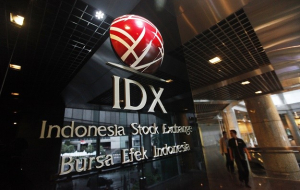
“As I mentioned earlier, we still have to monitor monthly inflation data closely,” Erindra told reporters at the Indonesia Stock Exchange Building on Thursday, July 3, 2025.
He cited that in periods of rising global inflation and a weakening U.S. dollar, global investors tend to hedge through commodities like gold and other metals, including copper.
On the domestic front, most commodity issuers operate in the nickel sector, but some stocks could also benefit from rising gold prices. These include PT Aneka Tambang (ANTM) and PT Merdeka Copper Gold (MDKA).
“If we see the trend of a weakening U.S. dollar, capital may again flow into gold,” Erindra added.
BRI Danareksa projects Indonesia’s economic growth in 2025 to range between 4.71 percent and 5.03 percent. The rupiah exchange rate is forecast to hover between Rp16,374 and Rp16,826 per US$, while the BI-Rate is expected to remain in the 5.00 percent to 5.50 percent range through year-end.
Erindra also emphasized that any potential interest rate cuts could serve as a positive catalyst for interest rate-sensitive sectors, such as property and banking, which typically respond strongly to changes in the monetary policy direction.
Already have an account? Sign In
-
Start reading
Freemium
-
Monthly Subscription
20% OFF$29.75
$37.19/MonthCancel anytime
This offer is open to all new subscribers!
Subscribe now -
Yearly Subscription
33% OFF$228.13
$340.5/YearCancel anytime
This offer is open to all new subscribers!
Subscribe now
Set up email notifications for these topics