


The Indonesian government has refuted earlier claims that radioactive contamination in exported shrimp and cloves originated from imported scrap metal, suggesting that the Cesium-137 radiation detected at the Modern Cikande Industrial Estate (KIMC) in Banten came from domestic sources, not foreign imports.
Setia Diarta, Director General of Metal, Machinery, Transportation Equipment, and Electronics Industries at the Ministry of Industry, said the suspected source was PT Peter Metal Technologies (PMT), which had been operating in the area until July 2025. The company was believed to have used radioactive-contaminated local scrap metal, potentially originating from discarded medical equipment.
“Importing scrap metal has been banned. If PMT obtained local scrap, there’s a strong possibility it came from medical equipment containing radioactive contaminants,” Setia said during a parliamentary hearing on Monday, November 10, 2025.
PMT had applied for an import license for steel scrap in June 2025 but was denied by the ministry due to regulatory non-compliance. Setia said this left the company with two options: using locally sourced scrap or buying imported scrap through local intermediaries.
The highest contamination levels were found inside PMT’s smelting furnace, reinforcing suspicions that the company melted medical scrap containing Cesium-137. The Cesium-137 Task Force is now tracing the domestic supply chain of such scrap materials, assisted by the National Police and the State Intelligence Agency (BIN).
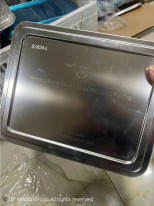
While investigators have yet to disclose the source of the contaminated material, Setia believes the containers produced by PMT − used later by PT Bahari Makmur Sejahtera (BMS) for shrimp exports in August − were made during the company’s production period around the import license request.
The contamination spread to 24 companies in the Cikande industrial area, though radiation levels in 23 of them remained within safe limits, according to the ministry’s findings.
Only nine out of 1,561 workers from PMT and BMS tested positive for radiation exposure and are receiving treatment at Fatmawati Hospital in South Jakarta.
Five factories initially detected with traces of Cesium-137 in August included producers of frozen food, processed food, footwear, and LPG cylinders. Setia confirmed that 22 of the 24 affected plants have completed decontamination, with the remaining two expected to finish soon.
“All facilities in Cikande contaminated with Cesium-137 should have completed decontamination by the end of last month,” Setia said.
Already have an account? Sign In
-
Start reading
Freemium
-
Monthly Subscription
20% OFF$29.75
$37.19/MonthCancel anytime
This offer is open to all new subscribers!
Subscribe now -
Yearly Subscription
33% OFF$228.13
$340.5/YearCancel anytime
This offer is open to all new subscribers!
Subscribe now
Set up email notifications for these topics