


Indonesia Business Post
Efforts to accelerate the implementation of the Multi-Lane Free Flow (MLFF) electronic toll payment system in Indonesia was the focus of the Hunindo Tech 6.0 business forum held in Jakarta on Monday, October 20, 2025.10.20
The forum brought together government regulators, investors, and private sector leaders from Indonesia and Hungary.
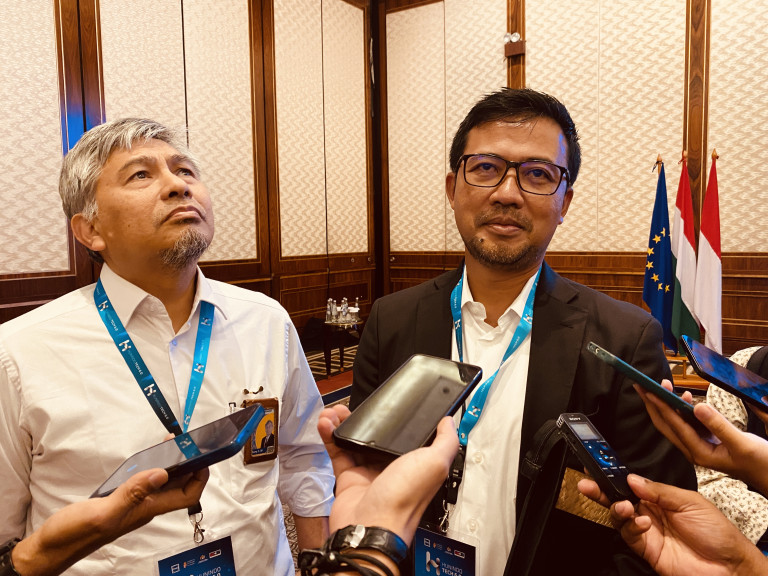
A member of the Toll Road Regulatory Agency (BPJT) representing stakeholder interests, Sony Wibowo, emphasized the need for “adjustments” in various regions as Indonesia and Roatex Indonesia Toll System (RITS) a Hungarian-based technology provider continue to advance the rollout of the system.
“We have a contract with RITS related to national toll road technology. They’ve done a lot of work already, and we’re now trying to make adjustments,” Sony said.
He acknowledged that several key challenges remain, particularly in terms of technology integration, financing, and legal clarity.
“These are not easy issues. As Mr. Attila [Keszeg, CEO of RITS] has stated, there are many stakeholders involved, and aligning them is never simple,” he added.
One of the most pressing concerns is law enforcement. Sony noted that the Traffic Police Corps plays a crucial role in ensuring compliance with toll payment rules, but current regulations still lack the necessary legal framework.
“Not paying tolls isn’t yet categorized as a regulatory violation. This is a key issue that we need to adjust and connect with existing systems,” he said, adding that integration with advanced data systems and enforcement technologies could provide a solution.
Sony was optimistic that closer cooperation between BPJT, the traffic police corps, and RITS would help accelerate the process. “We hope to work together quickly. This is a matter of mutual understanding and commitment,” he said.
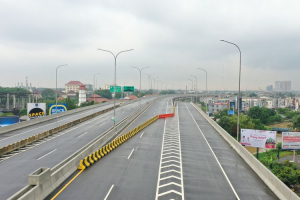
The MLFF system, part of Indonesia’s broader digital infrastructure initiative, is expected to replace manual and e-toll gate payments with automatic, cashless, and barrier-free tolling by 2026, a key step toward improving efficiency and reducing congestion on major toll roads.
Readiness
RITS CEO, Attila Keszeg, reaffirmed the company’s commitment to delivering on its contractual obligations and supporting Indonesia’s toll road modernization efforts.
“We are fully prepared according to our contract. If there’s a need for adjustments or new directions, we are open to discussions,” Keszeg said during the same forum.
He emphasized the importance of collaboration and solution-oriented dialogue between RITS, BPJT, and local partners, including state-owned construction firm Hutama Karya.
“Rather than going back and forth, we need to sit together, agree, and find a way forward,” Keszeg noted.
The RITS CEO also welcomed the prospect of Indonesian companies becoming shareholders in their local subsidiary. “If Hutama Karya or others wish to take ownership, they are welcome,” he said.
Keszeg also praised the Indonesian National Police’s Traffic Corps (Korlantas) as a “strong national partner,” citing its advanced database capabilities that have supported digital systems such as Pertamina’s fuel subsidy program.
“If such data integration works for Pertamina, I believe the same system could support MLFF implementation as well,” he added.
RITS and BPJT officials agreed that Indonesia’s transition toward a fully electronic toll payment system requires not only technological readiness but also firm regulatory support and public trust.
Already have an account? Sign In
-
Start reading
Freemium
-
Monthly Subscription
20% OFF$29.75
$37.19/MonthCancel anytime
This offer is open to all new subscribers!
Subscribe now -
Yearly Subscription
33% OFF$228.13
$340.5/YearCancel anytime
This offer is open to all new subscribers!
Subscribe now
Set up email notifications for these topics