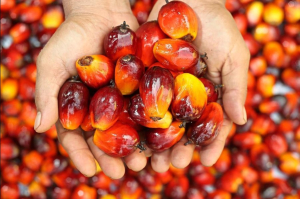


The Roundtable on Sustainable Palm Oil (RSPO) has joined forces with smallholder farmer associations in Malaysia and Indonesia to enhance collaboration in promoting sustainable palm oil cultivation.
RSPO CEO, Joseph D'Cruz, emphasized the importance of working closely with more farmers amid the growing challenges facing the palm oil industry.
“Supporting smallholders is not just about certification or production volume. It’s about creating long-term value, improving livelihoods, and strengthening the landscapes where they live and work,” D'Cruz said in his speech at the RSPO Annual Roundtable Conference on Sustainable Palm Oil (RT2025) in Kuala Lumpur on Monday, November 3, 2025.
Recently, RSPO signed a partnership with the National Association of Smallholders Malaysia (NASH), following a memorandum of understanding (MoU) with Indonesia’s Association of Palm Oil Farmers (APKASINDO). The MoU aims to promote certification and market access for smallholders in both countries.
D'Cruz said these partnerships have already made a tangible impact on the ground. Since 2017, RSPO has provided certification support for smallholders in Indonesia and Malaysia.
He cited a success story from Jambi, Indonesia, where certified farmers celebrated the restoration of a local river after completing a five-year rehabilitation project funded through RSPO income.
He also mentioned that the initiative drew inspiration from the PromoAgrosur smallholder group in San Pablo, Colombia. “They used support from the RSPO Smallholder Support Fund to transform land once damaged by drugs, poverty, and violence into sustainable palm oil plantations,” D'Cruz said.
He underlined that sustainability is about more than transactions. “It’s more than just a way to access markets or earn premiums. It’s time to prove it by supporting our most vulnerable members,” he said.
According to D'Cruz, the palm oil industry is now facing one of its most complex moments in history. The European Union Deforestation Regulation (EUDR), set to take effect at the end of this year, could lead to productivity gaps and loss of market premiums.
“We all see these challenges − shifting trade rules, market disruptions, new regulations, and growing resistance to sustainability in some countries,” he said.
Through stronger collaboration, D'Cruz noted, RSPO aims to connect rural communities with multinational corporations, NGOs, banks, and financial institutions. The organization currently has over 6,200 members in 105 countries.
“Markets like China, Africa, and the Middle East are showing strong growth potential for sustainable palm oil,” he said.
Meanwhile, RSPO Head of Smallholders, Guntur Cahyo Prabowo, stressed that the MoU is not only about certification but also about justice, resilience, and inclusive growth. He warned that Indonesia risks losing billions of dollars each year due to productivity gaps, loss of market premiums, and exclusion from increasingly regulated global markets, such as those governed by the EUDR.
“By prioritizing smallholder inclusion, this MoU ensures that Indonesia’s palm oil leadership remains resilient and sustainable,” Guntur said.
Already have an account? Sign In
-
Start reading
Freemium
-
Monthly Subscription
20% OFF$29.75
$37.19/MonthCancel anytime
This offer is open to all new subscribers!
Subscribe now -
Yearly Subscription
33% OFF$228.13
$340.5/YearCancel anytime
This offer is open to all new subscribers!
Subscribe now
Set up email notifications for these topics