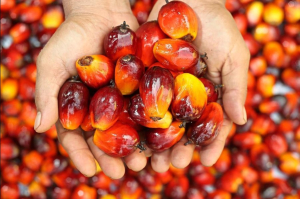



The Ministry of Trade has confirmed that the European Union has been committed to absorbing locally produced crude palm oil (CPO) as part of the Indonesia-European Union Comprehensive Economic Partnership Agreement (IEU-CEPA).
Director General of International Trade Negotiations at the Trade Ministry, Djatmiko B. Witjaksono, said that IEU-CEPA includes an unprecedented special protocol acknowledging that Indonesian CPO meets sustainability standards.
“A special protocol on CPO has never existed in any previous CEPA agreements. This protocol will benefit all parties involved in the IEU-CEPA,” Djatmiko said at the Indonesian Chamber of Commerce and Industry (Kadin) headquarters on Monday, August 4, 2025.
He explained that the EU has recognized Indonesian CPO as sustainable for both food and energy production. However, he emphasized that future exports of CPO to the European market must comply with sustainability requirements, including traceability and certification.
Despite this positive development, both the EU and Indonesia are still engaged in World Trade Organization (WTO) disputes concerning biodiesel and fatty acid products.
Djatmiko suggested that the inclusion of the special CPO protocol may have been driven by shifting political dynamics within the EU.
Currently, two sustainability certifications are recognized domestically: the Indonesian Sustainable Palm Oil (ISPO) and the Roundtable on Sustainable Palm Oil (RSPO).
According to Djatmiko, ongoing IEU-CEPA negotiations will determine which certifications will be accepted once the agreement is implemented.
He also assured that Indonesian CPO products will be exempt from EU import duties by no later than 2027. At the same time, the EU plans to enforce the European Union Deforestation Regulation (EUDR) starting next year.
The EUDR requires that all products sold in the EU must be free from deforestation. This means goods must not be produced on land that has been deforested or environmentally degraded.
As a result, the Indonesian Palm Oil Association (GAPKI) believes that the benefits of the IEU-CEPA deal may only be short-term for palm oil and its derivatives.
GAPKI Chairman Eddy Martono acknowledged that the agreement will eliminate import tariffs on Indonesian CPO derivative products to Europe. However, he warned that these benefits could be offset by the strict requirements under the EUDR.
“IEU-CEPA is a good step, but Europe still enforces the EUDR. Before we can benefit from IEU-CEPA, our products must first pass EUDR compliance checks,” Eddy told Katadata.co.id on Tuesday, July 15, 2025.
Although the EU currently does not impose tariffs on raw CPO, derivative products are subject to import duties ranging from 5 percent to 12.8 percent. With IEU-CEPA, these tariffs will be removed, potentially boosting Indonesia’s exports to the European market.
Already have an account? Sign In
-
Start reading
Freemium
-
Monthly Subscription
20% OFF$29.75
$37.19/MonthCancel anytime
This offer is open to all new subscribers!
Subscribe now -
Yearly Subscription
33% OFF$228.13
$340.5/YearCancel anytime
This offer is open to all new subscribers!
Subscribe now
Set up email notifications for these topics