


PT Astra Agro Lestari (AALI) has announced plans to reduce its carbon emissions by 30 percent from 2019 levels by 2030, supported by an investment of up to Rp400 billion (US$24 million) to build 10 methane gas capture facilities across its palm oil mills.
PT Astra Agro Lestari is a palm oil company with plantations and a mill in South Kalimantan. A subsidiary of PT Astra International, the company began commercial operations in 1995. AALI went public in 1997 with an initial public offering (IPO) on the Indonesia Stock Exchange. In addition to its oil palm plantations, AALI also operates a palm oil refinery and a fertilizer blending plant, among other palm oil-related operations.
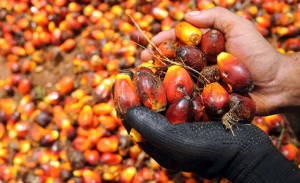
Astra Agro Lestari President Director, Djap Tet Fa, said the initiative aims to capture methane gas − a greenhouse gas 28 times more potent than carbon dioxide − generated during the processing of fresh fruit bunches into crude palm oil (CPO).
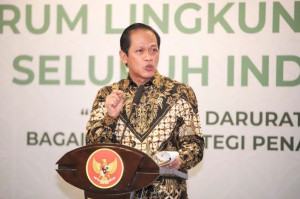
“We will build methane capture facilities to convert methane gas into biogas, which can replace diesel and coal as fuel in our production process,” Djap said in Pangkalan Bun, Central Kalimantan on Thursday, October 30, 2025.
According to Djap, methane emissions originate from Palm Oil Mill Effluent (POME) − the liquid waste produced during CPO processing. The 10 planned facilities will process POME from AALI’s 31 mills nationwide. The company has already completed two methane capture facilities in Riau, with a third set to be operational by the end of this year.
“So there will be three methane capture facilities operating in Riau this year. Next year, we will begin construction in Sulawesi,” Djap said.
Each methane capture unit is expected to reduce 35,000 tons of CO₂ equivalent, meaning that by 2030, the 10 planned facilities could collectively cut around 356,000 tons of CO₂ equivalent emissions from production activities.
In addition to methane capture, AALI plans to reduce chemical fertilizer use and increase the use of biofuel-powered vehicles to further lower emissions. However, Djap noted that the company has not yet decided whether its carbon reduction efforts will be traded on Indonesia’s national carbon exchange.
The government recently reported that 2.5 million tons of CO₂ equivalent were listed on the domestic carbon exchange, though only about 1 million tons have been traded so far. Environment Minister Hanif Faisol Nurofiq stated that current carbon trading demand is mostly driven by state-owned enterprises (SOEs) under mandatory schemes.
“Domestic carbon market absorption remains limited, mostly due to mandatory obligations on state enterprises,” Hanif said on September 16, 2025.
To address this, the government opened access to international carbon trading on January 20, 2025, in hopes of expanding market participation and improving liquidity in Indonesia’s carbon market.
Already have an account? Sign In
-
Start reading
Freemium
-
Monthly Subscription
20% OFF$29.75
$37.19/MonthCancel anytime
This offer is open to all new subscribers!
Subscribe now -
Yearly Subscription
33% OFF$228.13
$340.5/YearCancel anytime
This offer is open to all new subscribers!
Subscribe now
Set up email notifications for these topics