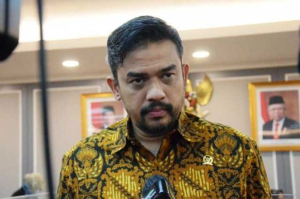



The Indonesia Climate Justice Literacy (ICJL) has voiced strong opposition to Government Regulation (PP) No. 39/2025 on the Implementation of Mineral and Coal Mining Business Activities, warning that it could accelerate environmental degradation and deepen Indonesia’s ecological crisis.
The new regulation allows cooperatives, micro, small, and medium enterprises (MSMEs), as well as community organizations, to obtain mining business permits (IUP) for up to 2,500 hectares of land.
“This regulation poses a serious threat to the environment and will worsen Indonesia’s ecological crisis,” ICJL founder Firdaus Cahyadi said as quoted in a statement on Friday, October 10, 2025.
He warned that mining areas of such size could cause extensive forest degradation, water pollution, and biodiversity loss, undermining national sustainability goals.
According to Firdaus, the government’s narrative that the policy promotes economic equality and local empowerment is misleading, as it risks normalizing environmental destruction.
“The mining sector − regardless of who operates it − remains one of the highest-risk industries for the environment,” Firdaus added.
In contrast, Minister of Cooperatives and SMEs Ferry Juliantono defended the regulation, saying it aligns with Article 33 of the 1945 Constitution, which mandates the utilization of natural resources for the prosperity of the people, including through cooperatives.
Ferry described the policy as marking a “new era” of cooperative involvement in managing national resources, expanding opportunities beyond traditional economic sectors.
However, Firdaus stressed that post-mining activities such as land reclamation, acid mine drainage mitigation, and hazardous waste management require significant technical expertise and capita − resources that most cooperatives and MSMEs lack.
“The risk of failed reclamation and permanent pollution is extremely high,” he said.
The ICJL also warned that allowing non-tendered mining permits could open up previously protected conservation or productive lands, triggering agrarian conflicts and land overlaps that harm local communities.
Meanwhile, Ferry said the government plans to strengthen cooperatives through capacity building, access to financing, and cross-sector collaboration.
ICJL countered that weaker regulatory oversight could lead to fragmented and ineffective monitoring, as the sheer number of small mining entities would make enforcement difficult.
“This creates major loopholes for irresponsible mining practices,” Firdaus concluded.
Already have an account? Sign In
-
Start reading
Freemium
-
Monthly Subscription
20% OFF$29.75
$37.19/MonthCancel anytime
This offer is open to all new subscribers!
Subscribe now -
Yearly Subscription
33% OFF$228.13
$340.5/YearCancel anytime
This offer is open to all new subscribers!
Subscribe now
Set up email notifications for these topics