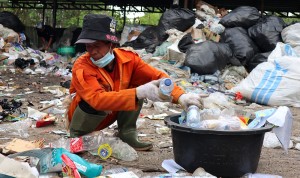


The waste-to-energy (WtE) business is drawing increasing attention from Indonesian listed companies, with firms such as PT TBS Energi Utama (TOBA), PT Maharaksa Biru Energi (OASA), and PT Astrindo Nusantara Infrastruktur (BIPI) preparing to expand their presence in the sector.
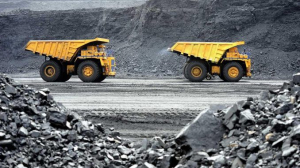
Of the three, TOBA is currently leading the charge. It has been aggressively restructuring its revenue streams, moving away from coal-based mining and power generation toward alternative businesses with lower carbon footprints.
In a public presentation in mid-September 2025, Mirza Hippy, SVP of Corporate Finance & Investor Relations at TBS Energi Utama, revealed that Sembcorp Environment Pte Ltd. (SembEnviro) − which is undergoing rebranding as Cora Environment − has expanded into waste-to-energy through a 20-year steam supply contract with Sembcorp Group.
Although detailed revenue potential was not disclosed, TBS’s waste management business has already made a positive impact. As of June 2025, the segment booked US$59.6 million in revenue with Earnings before interest, taxes, depreciation, and amortization (EBITDA) of US$10 million (Rp165.9 billion), reflecting a 17 percent EBITDA margin. This momentum follows TOBA’s completion of a SG$405 million (Rp4.77 trillion) acquisition of Sembcorp Environment earlier this year.
“We see waste management as a key element in TBS’s transformation. Beyond strong growth potential, the sector contributes directly to environmental improvement and community well-being. With our current capabilities and scale, we are confident this business will become a major growth driver for the company in the long term,” TBS Energi Director, Juli Oktarina, said in July 2025.
A September 16, 2025 research note from Samuel Sekuritas analysts Juan Harahap, Prasetya Gunadi, and Ahnaf Yassar projected that TOBA’s waste management revenue could double by 2026, contributing up to 67 percent of the company’s total EBITDA.
“TOBA is well-positioned to capture Indonesia’s waste-to-energy opportunity, especially as Jakarta alone generates 7,000 tons of waste daily − enough to support several 40-megawatt plants,” the report stated.
Government support is expected to be a key catalyst. An upcoming Presidential Regulation (Perpres) on waste-to-energy is likely to raise tariffs from US$0.13/kWh to US$0.19/kWh, while also streamlining permits for Independent Power Producers (IPPs) selling electricity to state utility PLN. Analysts believe this could push internal rates of return into the double digits and shorten payback periods to 5–6 years.
OASA and BIPI are also stepping up. OASA CEO Bobby Gafur Umar said the company currently holds two WtE project portfolios, one in West Jakarta with a 2,000-ton-per-day capacity and another in South Tangerang with a 1,100-ton-per-day capacity.
The South Tangerang plant is targeted to begin operations in 2028 and reach full capacity in 2029, generating an estimated 23 MW. The West Jakarta project has completed its feasibility study.
“If construction begins next year, both projects could be fully operational by late 2028 or early 2029. Of course, these will contribute to our long-term financials as we have 30-year contracts in place,” Bobby said on October 1, 2025.
He added that government backing has strengthened since the projects were included in the National Strategic Projects (PSN) list. The new Perpres will also expand designated project cities from 12 to 33 and replace local government tipping fees with direct electricity purchase agreements at 20 US cents/kWh by PLN.
Meanwhile, BIPI has announced plans to launch a WtE project next year after years of stalled progress due to limited government support.
“President Prabowo has given a mandate to Indonesian companies to enter waste-to-energy. In fact, we’ve been pursuing such projects for over three years,” BIPI CEO Raymond Anthony Gerungan said on Wednesday, October 1, 2025.
He noted that BIPI is currently focused on securing funding following the project’s feasibility study, expected within weeks. The project is estimated to require US$300–350 million.
“This is not a small project for us, but it is quite significant,” Raymond said.
Already have an account? Sign In
-
Start reading
Freemium
-
Monthly Subscription
20% OFF$29.75
$37.19/MonthCancel anytime
This offer is open to all new subscribers!
Subscribe now -
Yearly Subscription
33% OFF$228.13
$340.5/YearCancel anytime
This offer is open to all new subscribers!
Subscribe now
Set up email notifications for these topics