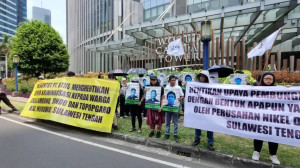


Environment and energy watchdog, the Ecological Action and People's Emancipation (AEER), has called for a stronger commitment to regulatory due diligence, better waste management oversight, and improvements in the steel sector following a significant incident of Cesium-137 (Cs-137) contamination at PT Peter Metal Technology (PMT) in Cikande, Banten.
The contamination was discovered in shrimp containers owned by PT Bahari Makmur Sejati (BMS), located about 3 kilometers from PMT's facility. The radioactive material, Cesium-137, was found in scrap metal imported from the Philippines, which had been processed at the plant. This case has raised serious concerns about the lack of sufficient due diligence in Indonesia's steel industry supply chains, particularly regarding environmental safety and public health.
Pius Ginting, AEER's Coordinator, emphasized the need for stricter monitoring of scrap metal imports and the importance of improving tracking systems for material origins.
“The PT PMT case highlights the weak application of due diligence in Indonesia’s steel supply chains, especially in terms of environmental security and public health,” Ginting said in a statement on Friday, October 3, 2025. “A tighter verification process for raw materials should be part of due diligence in the steel smelting industry to prevent hazardous contaminants like Cs-137 from entering the supply chain.”
As the steel industry intensifies efforts to decarbonize, the use of Electric Arc Furnace (EAF) technology to recycle scrap metal is expected to rise.
AEER's Energy and Environmental Policy Specialist, Titis Fitriani, noted that the government must ensure that the steel industry complies with safety standards to protect both the environment and public health.
“The increasing use of scrap metal in the steel sector, combined with EAF technology, requires enhanced oversight to prevent environmental hazards,” said Fitriani.
Waste classification and slag dumping risks
AEER also called for a review of the classification of slag steel waste, which is currently categorized as non-hazardous under Government Regulation No. 22/2021, despite being previously classified as hazardous under earlier regulations.
The Ministry of Environment and Forestry traced the contamination to improperly stored slag waste containing Cs-137. The open storage of slag poses a significant environmental risk, as fine radioactive particles can be carried by wind, rain, or surface water, further spreading contamination.
“This case underscores the urgent need for policy evaluation regarding slag steel waste management. Safe disposal methods, such as using waterproof covers for hazardous materials, must be a priority to mitigate environmental contamination,” Fitriani cited.
Coordination and preventive measures
While AEER appreciated the government's prompt response to control contamination levels in Cikande’s industrial zone, the organization stressed the importance of improving coordination between stakeholders, enforcing stricter safety standards, and enhancing transparency in industry reporting. AEER's statement highlighted the need for regular oversight of the industry to prevent further crises.
Without a proactive and preventive action framework, AEER warned that the government risks continued reactive responses to such crises, which could erode public trust and jeopardize public health.
Already have an account? Sign In
-
Start reading
Freemium
-
Monthly Subscription
20% OFF$29.75
$37.19/MonthCancel anytime
This offer is open to all new subscribers!
Subscribe now -
Yearly Subscription
33% OFF$228.13
$340.5/YearCancel anytime
This offer is open to all new subscribers!
Subscribe now
Set up email notifications for these topics