


Indonesia Business Post
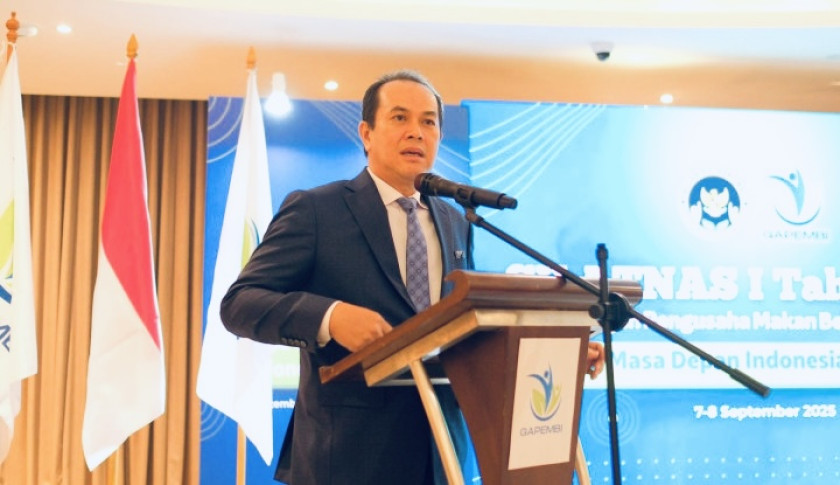
The Indonesian Association of Nutritious Food Entrepreneurs (Gapembi) has declared its full support for President Prabowo Subianto’s free nutritious meal (MBG) program, with chairman Alven Stony expressing commitment not to merely rely on state funds, but also to inject private investments to ensure the program's sustainability and reach.
Speaking at the association’s National Gathering (Silatnas) in Jakarta, on Monday, September 8, 2025, Alven emphasized that members of the organization were committed not only in principle but also financially.
"We, Gapembi, are backing President Prabowo’s program with investments. We’re not coming empty-handed. We’ve calculated the return on investment … this isn’t solely about using the state budget (APBN),” Alven spoke to Indonesia Business Post.
Gapembi currently has over 300 registered members, each operating multiple Satuan Pelayanan Pemenuhan Gizi (SPPG) or nutritious food kitchens, with estimates suggesting a network of more than 1,500 kitchens nationwide. On the organizational front, Gapembi has established 15 regional boards across provinces, marking a rapid expansion since its inception.
The Silatnas brought together food entrepreneurs and policymakers to discuss the operational, financial, and logistical aspects of rolling out the MBG program across Indonesia.
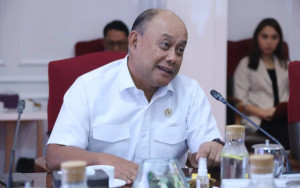
The event featured key figures from the National Nutrition Agency (BGN), including Director of Nutrition Governance, Ermia Sofiyessi, who stressed the importance of inter-agency synergy.
“This kind of collaboration is exactly what we need for better governance. Input from stakeholders like Gapembi helps shape effective, sustainable policy,” Ermia said.
Ermia addressed concerns about food safety and logistics, particularly in light of past incidents of food poisoning, stating that mitigation measures were already in place in coordination with the Food and Drug Monitoring Agency (BPOM), schools, and local SPPG teams.
The BGN is targeting 30,000 operational kitchens by 2025, with 25,000 of them to be developed in collaboration with private partners like Gapembi. An additional 6,000 kitchens are slated for underserved and remote (3T) regions, where government funding will play a bigger role due to lower private sector interest.
“Private partners may not have the capacity or commercial interest to operate in 3T areas, which is where the government steps in,” Ermia said.
Addressing concerns over food supply and nutrition standards, Ermia reiterated that the BGN’s role is limited to meal provision, with other inputs such as dairy and protein requiring support from ministries, like the Agriculture Ministry.
“BGN doesn’t cover everything. Our budget is strictly for meals. For dairy, for example, we depend on collaboration with the Agriculture Ministry,” she said, noting that only 20–30 percent of the nutritional needs from milk are currently being met.
To address this gap, the Agriculture Ministry is working on longer-term strategies including localized milk production and hybrid storage technologies to ensure milk availability in non-dairy-producing regions.
The MBG program is one of the central pillars of President Prabowo’s policy platform, aiming to combat malnutrition, improve children’s educational outcomes, and foster food sovereignty. The government is expected to allocate tens of trillions of rupiah annually for the program, making private sector participation and coordination with local governments essential.
Already have an account? Sign In
-
Start reading
Freemium
-
Monthly Subscription
20% OFF$29.75
$37.19/MonthCancel anytime
This offer is open to all new subscribers!
Subscribe now -
Yearly Subscription
33% OFF$228.13
$340.5/YearCancel anytime
This offer is open to all new subscribers!
Subscribe now
Set up email notifications for these topics