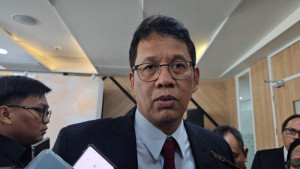



Mass demonstrations inevitably impose opportunity costs on the economy, ranging from lost work hours to disrupted logistics and delayed daily transactions, according to Syafruddin Karimi of the Department of Economics, Andalas University.
“In peaceful scenarios, the costs are largely short-term. But they can yield long-term value by pushing governments to be more accountable, making policies more responsive, and lowering the country’s risk premium,” Karimi said on Monday, September 1, 2025. “This can improve the investment climate, sustain capital inflows, and stabilize domestic demand.”
However, Karimi cautioned that the picture changes dramatically when protests turn violent, involving looting and destruction of public facilities.
“The opportunity cost skyrockets when economic activity halts, commercial centers shut down, supply chains are disrupted, and infrastructure must be repaired using public funds,” he noted. “Businesses face asset replacement costs, higher insurance premiums, and lost income, while markets respond with volatility and rising financing costs.”
Karimi added that prolonged unrest forces governments to divert budgets toward security spending − overtime for officers, fuel, logistics, and crowd-control equipment − reducing allocations for priority sectors like education, health, and social protection. “If unrest becomes recurrent, the country risks falling into a high-security-cost cycle that widens deficits and shrinks policy space, which investors interpret as a decline in policy quality,” he said.
He emphasized the need for prudent policies to minimize opportunity costs and close rent-seeking avenues.
“Authorities should safeguard the right to peaceful assembly through professional security governance, ensure independent investigations into violence, coordinate fiscal and monetary signals to reassure markets, and restore public facilities quickly and transparently,” Karimi said. “This approach cuts incentives for actors who seek to monetize chaos, lowers risk premiums, and refocuses the economy on productivity, investment, and sustainable growth.”
The late-August 2025 demonstrations erupted nationwide after the House of Representatives (DPR) approved a controversial housing allowance of approximately Rp 50 million (US$3,000) per month for lawmakers. The move sparked public outrage amid rising living costs, mass layoffs, and increasing property taxes. The protests quickly spread from Jakarta to other major cities, reflecting deep-seated anger over what many perceive as the widening gap between political elites and ordinary citizens.
Tensions escalated on August 28, 2025 when a 21-year-old motorcycle taxi driver, Affan Kurniawan, was killed after being struck by a police tactical vehicle during a rally in Jakarta. The incident ignited further unrest, with rioters setting fire to legislative buildings in several provinces and looting the homes of prominent officials, including the finance minister. The violence underscored the intensity of public frustration and the perception that political privileges were being celebrated while economic hardship worsened.
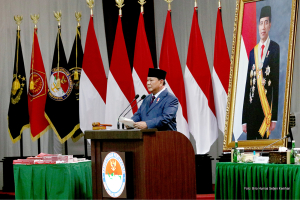
In response, President Prabowo Subianto announced a reversal of the allowance policy and ordered the suspension of lawmakers’ overseas trips. He also warned that acts of violence and looting would be treated as treason, signaling a hardline stance even as he attempted to calm the nation. Nevertheless, analysts argue that the concessions came too late to address the underlying discontent driving the protests.
Observers describe the movement as organic, fueled by genuine anger over political arrogance and socio-economic inequality rather than orchestrated by rival factions. Still, concerns remain that opportunistic groups could exploit the situation for their own interests if the government fails to engage in meaningful dialogue and enact broader political reforms.
Tag
Already have an account? Sign In
-
Start reading
Freemium
-
Monthly Subscription
20% OFF$29.75
$37.19/MonthCancel anytime
This offer is open to all new subscribers!
Subscribe now -
Yearly Subscription
33% OFF$228.13
$340.5/YearCancel anytime
This offer is open to all new subscribers!
Subscribe now
Set up email notifications for these topics