


The authorities’ move to temporarily close a major hiking route on Mount Rinjani in Lombok, West Nusa Tenggara, following two back-to-back accidents involving foreign tourists has ignited broader discussion on mountain tourism safety, with experts emphasizing the urgent need for reform in high-risk ecotourism management.
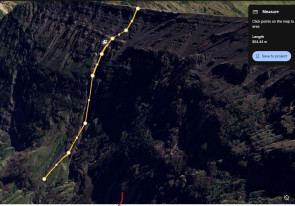
On Friday, July 18, 2025, the Mount Rinjani National Park Authority (TNGR) announced the closure of the Pelawangan Sembalun–Segara Anak Lake route starting July 16, 2025, until further notice.
The move comes after two international hikers Swiss national Beneditk Emmenegger, and Dutch tourist Sarah Tamar van Hulten suffered serious falls on the same trail within 24 hours of each other.
“Ticket reservations through the e-Rinjani app and access to the Pelawangan Sembalun–Segara Anak trail are temporarily suspended. This is part of our efforts to improve visitor safety and ensure sustainable management of the park,” TNGR head, Yarman, said.
While the closure affects a popular segment of the trail system, other routes − such as Senaru–Pelawangan Senaru–Segara Anak–Torean and Sembalun–Pelawangan Sembalun–Rinjani summit − remain open.
The shutdown follows intense search-and-rescue operations involving SAR Mataram, SAR Bali, TNGR personnel, volunteers, and local guides.
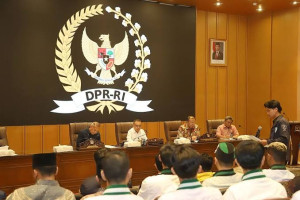
The incidents have sparked concern from academic experts. Chair of the Board of Professors at Gadjah Mada University (UGM), M. Baiquni, stressed that Rinjani’s terrain presents unique hazards that are often underestimated by tourists.
“Mount Rinjani was shaped by volcanic activity. Its steep caldera, jagged ridges, and sulfur gas exposure are not conditions typical of non-volcanic mountains, like the Alps or the Andes,” Baiquni said as quoted in astatement on Friday, July 18, 2025.
Baiquni, who climbed Rinjani in 1983, warned that the risks are not just physical but psychological. Inexperienced hikers unfamiliar with Indonesia’s volcanic mountains could panic, become disoriented, or even hallucinate when exposed to sulfur fumes or extreme altitudes.
“People assume hiking is just a test of physical endurance. But it’s also about emotional control and self-awareness. You don’t conquer a mountain you confront yourself,” he said.
Rinjani employs seasonal closures during the rainy months (January–March) as part of its conservation strategy, but violations are frequent. Some hikers illegally access trails before official openings, further straining safety systems.
Baiquni emphasized that managing risk in mountain tourism requires a blend of modern technology and indigenous knowledge. While apps and GPS tools are helpful, they cannot replace field experience, survival training, and an instinctive understanding of nature.
“We must read nature’s signs, such as cloud movement, wind direction, and fog patterns. Technology is not a substitute for wisdom,” Baiquni cited.
Road ahead
The twin accidents have prompted renewed scrutiny of how Indonesia manages its increasingly popular mountain tourism. As the country aims to position itself as an ecotourism leader, experts say balancing adventure and safety must be at the heart of its strategy.
“Risks will always exist. But with thoughtful planning and responsible policies, they can be managed,” Baiquni said.
Already have an account? Sign In
-
Start reading
Freemium
-
Monthly Subscription
20% OFF$29.75
$37.19/MonthCancel anytime
This offer is open to all new subscribers!
Subscribe now -
Yearly Subscription
33% OFF$228.13
$340.5/YearCancel anytime
This offer is open to all new subscribers!
Subscribe now
Set up email notifications for these topics