


The tragic death of Brazilian climber Juliana Marins (26) at Mount Rinjani has ignited a wave of grief and criticism from both domestic and international observers, with growing scrutiny over Indonesia’s emergency response capacity in high-risk tourist areas.
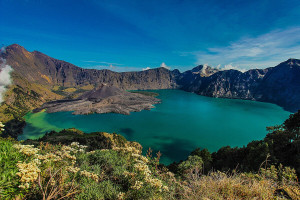
Marins was confirmed dead on Tuesday, June 24, 2025, after her body was discovered at the base of a 600-meter ravine on the slopes of Rinjani, a prominent volcano in West Nusa Tenggara province.
The discovery came four days after she reportedly slipped and fell while resting alone near the summit crater rim during a group trek with a local guide and five other foreign climbers.
The incident, which initially saw signs of life via drone surveillance, has since evolved into a high-profile case, raising concerns about the readiness and coordination of Indonesia’s search and rescue (SAR) efforts in remote mountain regions.
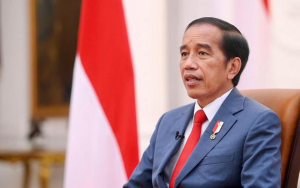
Marins’ death prompted strong response in Brazil, where social media campaigns under hashtags demanding faster intervention trended on X social media.Thousands of users flooded the Instagram account of Indonesian President Prabowo Subianto, urging immediate action and criticizing what they viewed as a delayed and under-equipped rescue effort.
Aerial footage from thermal drones showing Marins' body on the ravine wall went viral, with one image shared over 10,000 times and viewed by more than 20 million users globally.
In a statement, the Brazilian Embassy in Jakarta and the Brazilian Foreign Ministry expressed “profound sorrow” over the loss while condemning the “inconsistent and delayed communication” throughout the rescue. Brazilian authorities have called for a reassessment of international rescue protocols, particularly in zones attracting foreign adventure tourists.
Obstacles
Rescue teams comprising members of the National Search and Rescue Agency (Basarnas), the Indonesian Military (TNI), National Police (Polri), and local volunteers were quickly mobilized after being notified on Saturday morning, but progress was stymied by multiple logistical and environmental hurdles.
Initial responders were equipped with standard ropes and webbing that proved inadequate for the near-vertical 600-meter descent into Rinjani’s rugged crater structure. For three days, SAR teams battled extreme weather, including dense fog, gusty winds, and the unstable terrain of volcanic rock, complicating any immediate descent.
Though drones equipped with thermal sensors intermittently picked up signs of movement in the ravine, teams lacked specialized vertical rescue gear to execute a rapid retrieval. The terrain's instability also made repeated descent attempts perilous.
A SAR helicopter dispatched from Jakarta on June 23 brought additional surveillance capacity, but persistent cloud cover and dangerous flight conditions at altitude rendered aerial extraction impossible. Earlier, Bali Air had offered helicopter assistance, but deployment was delayed pending formal coordination.
On June 24, seven rescuers finally managed to descend to the 400-meter level, with one team member reaching Marins’ body at approximately 18:00 local time, located at 600 meters depth, resting lifeless on dry rocks. Due to failing light and the risk of further injury to rescuers, evacuation was deferred until morning. Her remains were later scheduled for airlift from Sembalun basecamp to Bhayangkara Hospital in Mataram, West Nusa Tenggara.
Rescue preparedness
While Indonesian authorities have defended the response, stating rescue operations began "as soon as information was received," the case has fueled ongoing debates about SAR capacity in remote natural destinations like Mount Rinjani, which rises to 3,726 meters and is one of the country's most visited hiking spots.
The Sembalun trail, the primary route taken by Marins' group, has since been closed pending further risk evaluation. Officials have hinted at revisiting licensing, guide certification, and tourist safety requirements in light of the tragedy.
Experts and advocacy groups are now calling for tighter regulation of independent trekking activities, investment in advanced SAR equipment, and bilateral protocols for handling foreign casualties in Indonesia’s adventure tourism sector.
Already have an account? Sign In
-
Start reading
Freemium
-
Monthly Subscription
20% OFF$29.75
$37.19/MonthCancel anytime
This offer is open to all new subscribers!
Subscribe now -
Yearly Subscription
33% OFF$228.13
$340.5/YearCancel anytime
This offer is open to all new subscribers!
Subscribe now
Set up email notifications for these topics