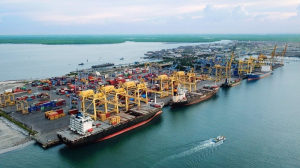



The Ministry of Environment and Forestry (KLH) is preparing to issue mandatory administrative sanctions against dozens of companies operating within two industrial areas in North Jakarta and Bekasi Regency for their contribution to deteriorating air quality in Greater Jakarta area (Jabodetabek).
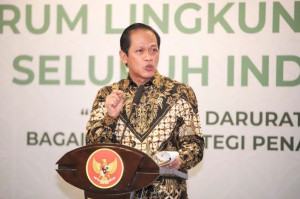
Environment Minister Hanif Faisol Nurofiq confirmed that environmental inspections had been carried out in both locations, and multiple violations were found that warrant government intervention.
“This is not about collecting fines,” Hanif said on Thursday, June 12, 2025. “The purpose is to push for proper environmental management. The penalties will be directed at the tenants themselves.”
Despite focusing sanctions on the tenant companies, the ministry also plans to issue warnings to industrial estate managers, urging them to ensure ongoing compliance with environmental regulations.
“If any legal disputes or criminal environmental cases arise in the future, both the estate managers and the tenants will be held accountable,” Hanif emphasized.
On the same occasion, Ardiyanto Nugroho, Director of Complaints and Monitoring for Environmental Law Enforcement at KLH, reported that 76 tenants in North Jakarta and 60 tenants in Bekasi had undergone inspections.
While the exact number of sanctioned companies is still being finalized, Ardiyanto estimated that more than 50 tenants are likely to face formal penalties once the full review is complete.
Contributors to pollution
The crackdown is part of the government’s ongoing efforts to curb air pollution across Jabodetabek, a region that routinely records some of the poorest air quality in Southeast Asia.
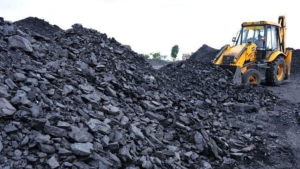
According to the Ministry’s findings, industrial activities − particularly those using coal − account for approximately 14 percent of airborne pollutants in the area. However, motor vehicle emissions remain the largest source of pollution, contributing 42–57 percent during the dry season and 32–41 percent during the rainy season.
Preventive measure
This latest move is seen as a preventive and corrective strategy to ensure industries adhere to environmental standards, especially amid growing public concern over health issues linked to poor air quality.
Officials stressed that while tenants will face penalties directly, industrial estate operators cannot neglect their responsibility to oversee tenant activities.
By strengthening oversight and holding both companies and their landlords accountable, the ministry aims to push for long-term improvements in air quality and greater compliance across industrial operations in the region.
Already have an account? Sign In
-
Start reading
Freemium
-
Monthly Subscription
20% OFF$29.75
$37.19/MonthCancel anytime
This offer is open to all new subscribers!
Subscribe now -
Yearly Subscription
33% OFF$228.13
$340.5/YearCancel anytime
This offer is open to all new subscribers!
Subscribe now
Set up email notifications for these topics