


The Attorney General’s Office (AGO) is currently reviewing the newly enacted Law No. 1/2025 on State-Owned Enterprises (SOEs), citing concerns over clauses that exclude SOE directors, commissioners, and supervisory board members from the category of “state officials.”
AGO Spokesman, Harli Siregar, said the review is essential because the law may conflict with Article 11(1) of the Corruption Eradication Commission (KPK) Law, which allows the KPK to investigate acts of corruption committed by state officials.
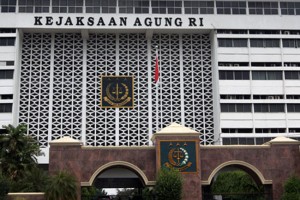
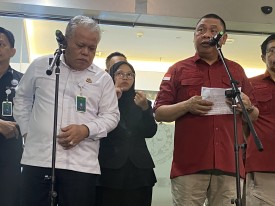
“We are currently studying the newly enacted law, and we’ll see how it develops,” Harli told reporters at the AGO headquarters in South Jakarta, on Thursday, May 8, 2025.
He added that the review includes examining the extent of authority law enforcement will retain in investigating SOE-related corruption cases.
One of the key concerns, Harli noted, is the legal implication of removing SOE officials from the status of public officials, particularly in cases where state funds are involved.
“For instance, if there are indications of conspiracy or deceit, and we know state money is involved, then it is the duty of law enforcement to examine whether a criminal act has occurred,” he said.
The contentious provisions in Law No. 1/2025 include Article 3X(1), which states, “The organs and employees of the entity are not state officials,” and Article 9G, which reads, “Members of the Board of Directors, Board of Commissioners, and Supervisory Board of SOEs are not considered state officials.”
Legal experts have raised alarms that this classification could hinder anti-corruption investigations involving SOEs, many of which manage billions of dollars in public assets and are frequently implicated in graft scandals.
The review by the AGO follows public criticism and calls for clarification regarding the law’s alignment with Indonesia’s broader anti-corruption framework. Stakeholders have urged lawmakers to ensure that regulatory changes do not undermine accountability and transparency in state-owned enterprises.
The KPK has not yet issued a formal statement on the matter, but the legal community is watching closely as the implications of the new law may set a significant precedent for how corruption cases are handled across the public-private boundary.
Tag
Already have an account? Sign In
-
Start reading
Freemium
-
Monthly Subscription
20% OFF$29.75
$37.19/MonthCancel anytime
This offer is open to all new subscribers!
Subscribe now -
Yearly Subscription
33% OFF$228.13
$340.5/YearCancel anytime
This offer is open to all new subscribers!
Subscribe now
Set up email notifications for these topics