


A new analysis from energy think tank EMBER highlights Vietnam, the Philippines, and Indonesia as key drivers in shaping ASEAN’s clean energy future as the three economies account for nearly 60 percent of the region’s energy demand and emissions and are rapidly transitioning away from coal dependence to become rising hubs for renewable energy investment.
According to the report “From Emission Intensive to Investment Hot Spot: Championing Renewables in 3 ASEAN Economies” published on Tuesday, December 2, 2025, each country aims to have renewable energy make up more than half of its installed power capacity by 2030 ‒ a target EMBER regards as among the most ambitious in ASEAN.
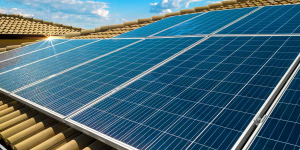
Vietnam plans to install 73 GW of solar capacity by the end of the decade, while the Philippines targets 14 GW and Indonesia 13 GW. Progress, however, will depend on overcoming regulatory bottlenecks and ensuring a stable, investment-friendly environment.
Clean energy investment in the three nations reached US$4.6 billion in 2024, up by US$1.1 billion (Rp18.3 trillion) compared with 2023. EMBER notes that stronger policy frameworks and decisive reforms are still necessary to attract long-term private capital and mitigate risks.
“Southeast Asia is working hard to build an integrated, competitive, and resilient region ‒ and energy lies at the heart of this transformation,” Dinita Setyawati, Senior Energy Analyst at EMBER, said on Tuesday, December 2, 2025.
Dinita stressed the need for coordinated regional governance, harmonized planning, and strategies that elevate renewable energy’s role in regional energy security.
Policy shifts
Vietnam is advancing market liberalization by activating direct power purchase agreements ‒ a move EMBER says could double the share of renewable electricity and create new revenue opportunities while welcoming greater private and foreign participation.
The Philippines, meanwhile, has removed foreign ownership limits in the renewable sector and rolled out competitive procurement mechanisms such as the Green Energy Auction, paired with integrated storage solutions and streamlined digital permitting processes.
Indonesia is also adjusting its regulatory foundation with risk-sharing clauses in power purchase agreements, new ownership structures, and policies that recognize the role of carbon credits and environmental attributes in unlocking renewable opportunities.
“Technology and financing will continue to drive profitability. Battery storage projects in Indonesia have pushed solar project internal rates of return from 14 percent to 23 percent,” Dinita noted, citing similar improvements in Vietnam and the Philippines.
However, the financial feasibility of renewable projects in all three countries remains highly sensitive to power tariffs and upfront capital. A 10 percent change in these variables can shift returns by as much as 45 percentage points, the report states. Currency volatility, equipment price fluctuations, and prolonged permitting delays also pose risks.
To accelerate the transition, EMBER recommends:
• Greater policy predictability on tariffs and risk allocation;
• Streamlined approvals and faster grid integration;
• Market signals that support hybrid projects and energy storage;
• Expanded investment access through blended finance and local currency options.
“Vietnam, the Philippines, and Indonesia have a significant opportunity to lead,” Dinita said. “With coordinated reform and stronger execution, they can unlock unprecedented levels of capital and accelerate decarbonization across the region.”
Government and industry perspectives
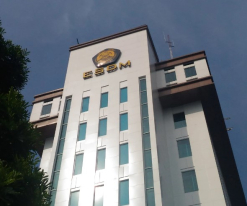
Indonesia’s Ministry of Energy and Mineral Resources (ESDM) reiterated the economic value of clean energy. Secretary General Dadan Kusdiana noted the sector’s role in job creation, emphasizing advancements in energy storage, biofuels, efficiency measures, and off-grid investments.
From the private sector, Atem S. Ramsundersingh, CEO of WEnergy Global Pte Ltd, said Southeast Asia’s renewable ambitions remain constrained by regulatory and infrastructure barriers. Which is held back by circular bureaucracy, outdated permits, and neglected grid systems, calling for decisive governance reforms to strengthen energy security and attract investment.
With the right momentum, EMBER concludes, the three economies could help drive ASEAN toward a more resilient and competitive clean energy future, while demonstrating leadership in the global shift away from fossil fuels.
Already have an account? Sign In
-
Start reading
Freemium
-
Monthly Subscription
20% OFF$29.75
$37.19/MonthCancel anytime
This offer is open to all new subscribers!
Subscribe now -
Yearly Subscription
33% OFF$228.13
$340.5/YearCancel anytime
This offer is open to all new subscribers!
Subscribe now
Set up email notifications for these topics