


Indonesia Business Post
President Prabowo Subianto officially names former president Soeharto as a national hero, a move that has sparked controversy both at home and abroad due to the late leader’s authoritarian legacy and human rights record.
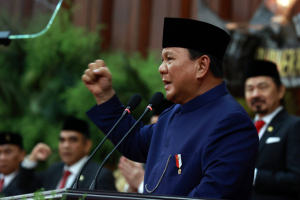
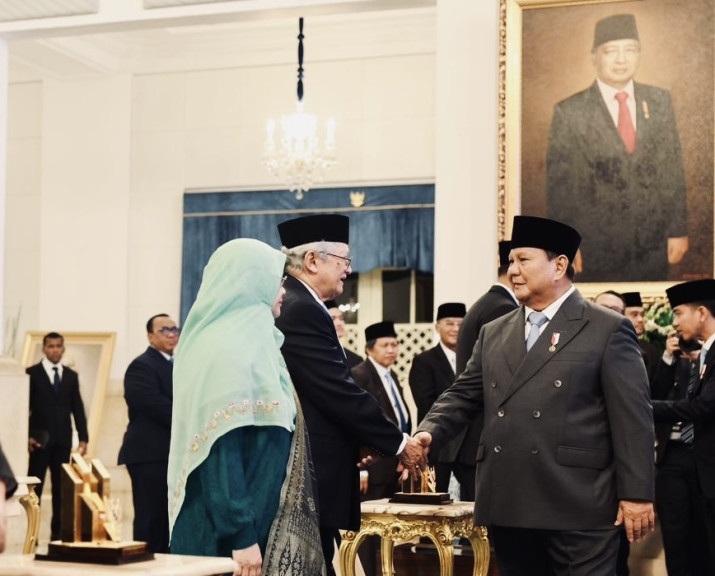
President Prabowo Subianto, Soeharto’s former son-in-law, conferred the title during a National Heroes Day ceremony at the State Palace in Jakarta on Monday, November 10, 2025, honoring 10 prominent figures from various backgrounds. Soeharto, Indonesia’s second president who ruled for more than three decades, was among those recognized for his contributions to national stability and development.
His nomination was proposed by the Central Java Province and was approved after three separate attempts under different administrations.
“Let us be wise in recognizing and respecting the services of our predecessors,” State Secretary Prasetyo Hadi said in a statement on Sunday, Noember 9, 2025.
“Differences in opinion are part of public aspiration, but all nominations have gone through proper procedures,” Prasetyo added, addressing criticism over Soeharto’s inclusion.
International media reactions
Major international outlets, such as AFP and Reuters,were quick to highlight the controversy surrounding Soeharto’s inclusion.
AFP described Soeharto as a “late military dictator,” noting that Indonesia’s decision came “despite objections from activists and academics over his human rights record.”
Reuters, in its report titled “Indonesia grants national hero status to late strongman President Soeharto,” summarized the former general’s rise and fall from steering Indonesia through rapid economic growth and political stability to overseeing its collapse during the 1997–1998 Asian financial crisis.
The outlet also noted that Soeharto’s portrait was displayed among the ten honorees inside the State Palace ahead of the ceremony.
Earlier, The Diplomat ran a piece titled “Indonesian activists protest plans to grant former President Soeharto‘Hero’ Status,” calling the move “a sign of deepening historical revisionism under President Prabowo Subianto.”
Soeharto’s nomination had been discussed since 2010, during the administration of President Susilo Bambang Yudhoyono, but was deferred at the time. It resurfaced under President Joko Widodo, yet again without final approval.
Under Prabowo’s government, the proposal was finally accepted. The decision followed a review by the Council of Titles, Decorations, and Honors, chaired by Culture Minister Fadli Zon, who said each nominee had been “thoroughly vetted through academic and scientific assessments.”
Soeharto joined a list of over 200 national heroes, which includes Indonesia’s founding president Sukarno, human rights advocates, and women’s rights pioneers.
“Moral amnesia” in historical memory
The decision has ignited sharp criticism from civil society figures and pro-democracy activists, who released a joint statement condemning what they called a “moral distortion” of Indonesia’s history.
“We do not deny anyone’s contributions, including Soeharto’s. But heroism is a moral compass for the nation it should teach future generations to distinguish right from wrong, not blur the line between power and justice,” the statement read.
The signatories, including Andi Arief, Rocky Gerung, Rachland Nashidik, and Bivitri Susanti, accused the state of “injecting historical amnesia” by elevating a figure associated with repression and corruption.
They also questioned why the government had not extended similar recognition to leftist or anti-colonial figures who were erased from official history following the 1965 purges.
“If the moral lesson we leave behind is that power may do anything in the name of prosperity, then we are not building the future, we are prolonging the shadows of the past,” the statement said.
Soeharto ruled Indonesia from 1967 to 1998, presiding over a period of economic expansion and infrastructure development but also alleged widespread human rights abuses, corruption, and suppression of dissent.
Historians estimate that hundreds of thousands were killed in anti-communist purges during his rise to power in the mid-1960s, and thousands of political prisoners were detained without trial during his rule.
His resignation in May 1998 amid mass protests marked the beginning of Indonesia’s democratic reform era one that continues to grapple with reconciling its authoritarian past and democratic present.
With Soeharto now officially enshrined as a national hero, that struggle between remembrance and revision appears far from over.
Other honorees
Other figures honored this year include:
1. Abdurrahman Wahid − 4th Indonesian President
2. Marsinah − a labor activist murdered in 1993 during the New Order era
3. Mochtar Kusumaatmadja − former foreign minister and legal scholar
4. Hajjah Rahma El Yunusiyyah − pioneering female Islamic educator
5. General (ret) Sarwo Edhie Wibowo − former RPKAD (Army’s Special Forces)
commander
6. Sultan Muhammad Salahuddin − leader from West Nusa Tenggara
7. Syaikhona Muhammad Kholil − prominent Islamic cleric from Madura
8. Tuan Rondahaim Saragih − local hero from North Sumatra
9. Zainal Abidin Syah − last Sultan of Tidore
Already have an account? Sign In
-
Start reading
Freemium
-
Monthly Subscription
20% OFF$29.75
$37.19/MonthCancel anytime
This offer is open to all new subscribers!
Subscribe now -
Yearly Subscription
33% OFF$228.13
$340.5/YearCancel anytime
This offer is open to all new subscribers!
Subscribe now
Set up email notifications for these topics