


The Ministry of Energy and Mineral Resources (ESDM) is studying the possibility of introducing a Domestic Market Obligation (DMO) policy for gold, in an effort to help State-owned miner PT Aneka Tambang (Antam) overcome a severe supply shortage.
Antam, a subsidiary of state mining holding MIND ID, has set a sales target of 45 tons of gold for 2025, but current domestic supply can only cover around 5 tons.
The shortage stems from the halted operations at PT Freeport Indonesia’s Grasberg Block Cave (GBC) underground mine in Central Papua, following a landslide that occurred in September 2025.
Antam and Freeport had previously signed a five-year gold purchase agreement valued at US$12.5 billion (Rp200 trillion), covering the supply of 30 tons of gold per year. The first delivery, amounting to 125 kilograms of gold with 99.99 percent purity, was made on February 13, 2025, but shipments stopped after the incident in Grasberg.
Freeport’s smelter operations have also been disrupted due to the lack of raw materials. Normally, processing 3 million tons of copper concentrate yields between 50 and 60 tons of gold annually.
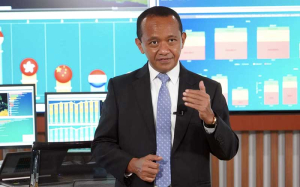
“We are currently discussing with the Director General of Mineral and Coal (Tri Winarno) the steps needed to ensure Antam’s gold supply,” ESDM Minister Bahlil Lahadalia said in Jakarta on Tuesday, October 14, 2025.
Indonesia Mining Association (IMA) Executive Director Hendra Sinadia said that any DMO policy for gold should be carefully discussed with industry players to ensure a fair balance.
“Even if DMO is implemented, it should still refer to market prices. This is what we are discussing with the government,” Hendra said during the Minerba Convex 2025 event in Jakarta, on Wednesday, October 15, 2025.
Antam’s import dependence
Antam President Director Achmad Ardianto previously revealed that the company has been importing 30 tons of gold this year from Singapore and Australia to meet domestic demand.
Currently, Antam’s Pongkor gold mine in West Java produces only 1 ton per year, while the company’s 2024 gold sales reached 43 tons.
To bridge the gap, Antam relies on buyback programs, purchasing gold from the public for recasting. However, this only contributes about 2.5 tons per year.
Ardianto added that Antam has also tried to purchase refined gold from other mining companies, but negotiations often stall due to tax constraints and the absence of a legal obligation for miners to sell gold to Antam.
Indonesia’s global gold standing
According to the United States Geological Survey (USGS), global gold reserves reached 64,000 metric tons in 2024. Australia and Russia lead with 12,000 metric tons each, followed by South Africa with 5,000 tons, and Indonesia ranking fourth with 3,600 tons.
Indonesia’s gold production reached 100 metric tons in 2024, making it the world’s tenth-largest producer. The Grasberg mine in Papua remains the country’s largest gold mine and one of the world’s top three by production. Other significant sites include Batu Hijau (West Nusa Tenggara) and Martabe (North Sumatra).
If enacted, a gold DMO policy would mark a new chapter in Indonesia’s mining regulation − balancing domestic industry stability and market competitiveness, while ensuring a sustainable gold supply for national needs.
Already have an account? Sign In
-
Start reading
Freemium
-
Monthly Subscription
20% OFF$29.75
$37.19/MonthCancel anytime
This offer is open to all new subscribers!
Subscribe now -
Yearly Subscription
33% OFF$228.13
$340.5/YearCancel anytime
This offer is open to all new subscribers!
Subscribe now
Set up email notifications for these topics