


Fuel supply at Shell gas stations across Indonesia remains unavailable and it remains unclear when stock levels will return to normal.
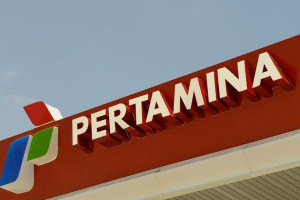
In response, Pertamina has offered to sell base fuel to Shell to help ease the shortage.
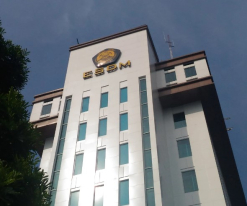
The Ministry of Energy and Mineral Resources (ESDM) confirmed that it will not increase fuel import quotas for private fuel distributors. Instead, the government encouraged them to purchase base fuel directly from Pertamina.
However, Shell Indonesia has yet to make a decision on whether it will proceed with the purchase.
“Pertamina is willing to provide products in the form of base fuel, and we highly appreciate that. At this stage, we are still in B2B discussions as suggested by the Minister, while our current import arrangements for base fuel are ongoing,” Ingrid Siburian, President Director & Managing Director Mobility of Shell Indonesia, said during a hearing with Commission XII of the House of Representatives (DPR) on Wednesday, October 1, 2025, as quoted by Kompas.com.
Susi Hutapea, Vice President Corporate Relations of Shell Indonesia, emphasized that the company has requested clarity from Pertamina on three key aspects before proceeding with any purchase.
“The first aspect is quality or standards. The second is commercial terms. And the third is operational aspects,” Susi said on Wednesday, October 1, 2025.
She added that Shell wants to ensure these three factors remain consistent, particularly regarding product quality standards.
“We want to make sure that the fuel quality remains guaranteed. Obtaining supply from Pertamina or local producers is not something taboo for us — we have done it before. As long as these three aspects are met, we are open to further discussion,” Susi said.
Base fuel refers to raw fuel that has not yet been mixed with additives or colorants. Before distribution to private fuel stations, each company typically blends it with proprietary additives and dyes to achieve high-quality fuel standards.
Meanwhile, Tri Yuswidjajanto, a professor at the Bandung Institute of Technology (ITB) and an expert in fuels and lubricants, noted that private fuel distributors should be transparent about their fuel content.
“It’s worth asking whether these private companies have been selling fuel that relies on ethanol or not. Are the various octane fuels they sell truly ethanol-free, or is this just a way to pressure the government into reinstating import quotas?” Tri said.
He also pointed out that private distributors have rarely disclosed detailed information about the composition of their fuel products.
Already have an account? Sign In
-
Start reading
Freemium
-
Monthly Subscription
20% OFF$29.75
$37.19/MonthCancel anytime
This offer is open to all new subscribers!
Subscribe now -
Yearly Subscription
33% OFF$228.13
$340.5/YearCancel anytime
This offer is open to all new subscribers!
Subscribe now
Set up email notifications for these topics