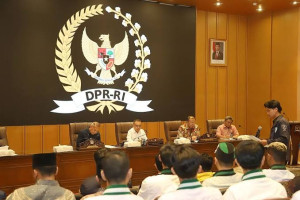


The House of Representatives (DPR) and the government on Friday, Sept. 26, 2025, approved the draft bill for the fourth amendment to Law No. 19/2003 on State-Owned Enterprises (SOEs), marking another round of rapid legislative changes less than seven months after the third amendment was passed.
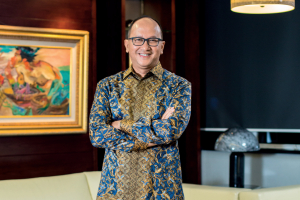
SOEs and Investment Commission VI chairwoman, Anggia Ermarini, confirmed that all eight party factions supported the working committee’s (Panja) deliberations, which revised 84 articles of the existing SOE Law.
The draft will now proceed to the DPR’s plenary session scheduled for Tuesday, September 30, 2025, for final endorsement.
“Eight factions in Commission VI have agreed to bring the bill to the plenary for second-level discussions,” Anggia said before striking the gavel.
Justice Minister Supratman Andi Agtas, representing the government, said the revisions accommodate legal needs, Constitutional Court rulings, and the demand for modern governance.
“This is important to ensure SOEs are more transparent, professional, and able to deliver optimal benefits for the state and society,” he said.
Speedy process
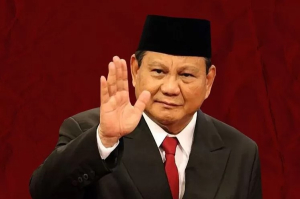
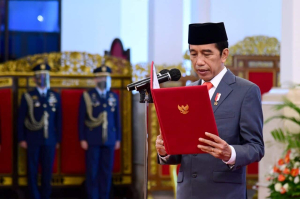
The legislative process moved unusually fast. President Prabowo Subianto sent a formal request (Surpres) on September 19, 2025, read by DPR Speaker Puan Maharani at a plenary session on September 23.
A day later, Commission VI began hearings with stakeholders. By September 26, the draft had cleared committee-level approval.
Observers say the move underscores the political urgency to redefine the legal and institutional framework of SOEs amid overlapping interests, judicial rulings, and public demands for stronger financial transparency.
The push for revisions came after a Constitutional Court ruling in August 2025 banning deputy ministers from holding concurrent posts in SOEs or private firms.
However, just weeks later, three deputy ministers were controversially appointed as commissioners at state-owned telecom giant Telkom, raising questions about compliance.
Public debate has also intensified over Article 9G of Law No. 1/2025, which stated that SOE officials were not considered state administrators. Critics argued this weakened oversight of potential graft cases in state firms managing trillions of rupiah.
House Deputy Speaker Sufmi Dasco Ahmad said lawmakers are considering not only revising the article but also overhauling the SOE Ministry into a full regulatory body.
“Its function would be limited to acting as a shareholder regulator of series A shares and approving government regulations,” he said on Wednesday, September 24, 2025, adding that the target is to conclude the revisions before the current session ends in early October.
Key provisions
Panja chair Andre Rosiade outlined major changes, including:
- the creation of a new SOE Regulatory Body (BPBUMN),
- new powers to optimize SOE performance,
- rules on series A golden shares managed by BPBUMN with presidential approval,
- a ban on ministers and deputy ministers holding concurrent posts in SOEs, in line with Constitutional Court ruling No. 128/PUU-XXIII/2025,
- gender equality provisions to allow women to hold executive and supervisory positions,
- stronger transparency measures, including broader audit powers for the Supreme Audit Agency (BPK) and new taxation rules for operational and investment holdings.
Another notable revision removes the previous clause that excluded SOE directors, commissioners, and supervisory boards from being recognized as state officials.
Lawmakers argued that restoring their status as public officials would strengthen accountability under anti-corruption laws.
Already have an account? Sign In
-
Start reading
Freemium
-
Monthly Subscription
20% OFF$29.75
$37.19/MonthCancel anytime
This offer is open to all new subscribers!
Subscribe now -
Yearly Subscription
33% OFF$228.13
$340.5/YearCancel anytime
This offer is open to all new subscribers!
Subscribe now
Set up email notifications for these topics