


The Ministry of Trade has signaled that the signing of a reciprocal tariff agreement between Indonesia and the United States will be delayed beyond the earlier target date of next week, Monday, September 1, 2025, with one key issue under negotiation is the exemption of import duties for certain Indonesian local commodities entering the U.S. market.
Director General of International Trade Negotiations at the Trade Ministry, Djatmiko Bris Witjaksono, said that the talks are still ongoing. He compared the process with the extension of reciprocal tariffs on China when asked about the timeline for Indonesia’s agreement.
“All matters in the reciprocal tariff negotiations between Indonesia and the United States are difficult. Just wait until it’s done. What’s important is that we are pushing for some of our local commodities to be exempted from reciprocal duties,” Djatmiko said on Thursday, August 28, 2025.
U.S. President Donald J. Trump recently extended reciprocal tariffs on China at 145 percent until November 10, 2025. This means Chinese goods will continue to face 30 percent import duties in the U.S. Djatmiko confirmed that Indonesia has submitted a list of local commodities to be exempted from tariffs, arguing that these are essential exports for Indonesia and also meet strong demand in the US.
“These commodities are needed by them, and we produce them. So excluding them from reciprocal tariffs will not harm anyone in the United States,” he added.
According to data from Statistics Indonesia (BPS), 180 Indonesian commodities were exported to the U.S. between January and April 2025 with a total value of US$9.38 billion (Rp154.9 trillion). Twenty of these commodities contributed more than 70 percent of the total export value. The top exports include:
● Garments from textiles: US$1.27 billion;
● Palm oil: US$574.04 million;
● Electrical equipment: US$561.36 million;
● Sports footwear: US$524.84 million;
● Semiconductors and electronic components: US$432.77 million;
● Organic chemicals from agriculture: US$362.58 million;
● Everyday footwear: US$312.83 million;
● Wooden furniture: US$279.76 million;
● Cocoa butter, fats, and oils: US$258.72 million;
● Leather goods: US$252.46 million;
● Frozen shrimp: US$237.12 million;
● Tires: US$223.90 million;
● Crumb rubber: US$221.18 million;
● Communication equipment: US$211.10 million;
● Knitted garments: US$205.85 million;
● Household appliances: US$176.47 million;
● General machinery: US$158.02 million;
● Processed or preserved aquatic products: US$157.64 million;
● Other chemical products: US$148.96 million;
● Plywood: US$141.25 million.
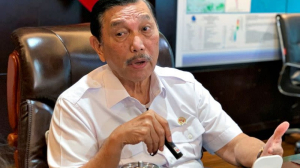
Head of the National Economic Council, Luhut Binsar Pandjaitan, has announced plans to meet with U.S. Trade Representative Howard Lutnick in early September. Luhut said he had already received approval from President Prabowo Subianto to push for tariff exemptions on certain key commodities, including crude palm oil (CPO).
“I have asked President Prabowo’s permission to meet Trade Minister Lutnick to negotiate. He is also a good friend of mine. We will meet on September 8–9, 2025,” Luhut said on August 13, 2025.
The Trump administration has set a 19 percent tariff on Indonesian goods. The Indonesian government hopes that ongoing negotiations will secure exemptions for several major export commodities to protect the country’s trade competitiveness in the US market.
Already have an account? Sign In
-
Start reading
Freemium
-
Monthly Subscription
20% OFF$29.75
$37.19/MonthCancel anytime
This offer is open to all new subscribers!
Subscribe now -
Yearly Subscription
33% OFF$228.13
$340.5/YearCancel anytime
This offer is open to all new subscribers!
Subscribe now
Set up email notifications for these topics