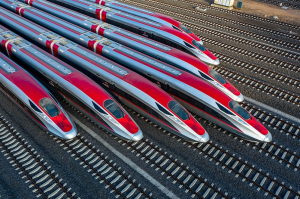



The Ministry of Transportation is targeting Rp853 trillion (US$53 billion) in private sector funding for railway infrastructure development through 2030, aimed at extending the current railway network from 6,461 kilometers to 10,524 kilometers nationwide.
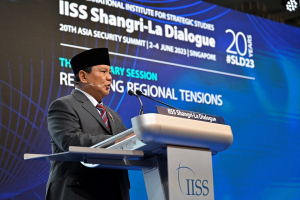
Arif Anwar, Director of Railway Traffic and Transportation at the Transportation ministry, cited that private investment will be crucial as the government plans to limit state budget allocations for rail expansion. He noted that this approach aligns with President Prabowo Subianto’s infrastructure policy, which projects railway investment to reach Rp170.6 trillion annually between 2026 and 2030.
“We’ve opted for a creative financing model centered on pure private investment, using mechanisms like concessions for return on investment. This will be the foundation of railway infrastructure development under this administration,” Arif told a press conference on Thursday, July 31, 2025.
The ministry’s financing strategy involves public-private partnerships (PPP), without using the traditional “Availability Payment” system where the government guarantees returns based on service availability. Instead, the focus will be on attracting fresh capital to build new rail lines.
Key projects include 1,200 kilometers of new track in Kalimantan and 100 kilometers in Papua. Sulawesi will also see a significant jump, with rail lines expanding from 71 km in 2025 to 734 km by the end of the decade. In Sumatra, the network will increase from 1,854 kilometers to 2,900 kilometers.
Java, Madura, and Bali will also benefit, with the railway network set to grow to 5,590 kilometers. “We will also advance electrification and double-track development in Java, along with the operation of high-speed trains,” Arif added.
Beyond track expansion, the plan includes upgrading railway rolling stock. By 2030, Indonesia is targeting a fleet of 5,314 locomotives and 62,542 carriages. This includes 2,839 passenger locomotives with 34,178 coaches, aiming to raise the national rail passenger transport share from 4 percent to 9 percent. Freight capacity will also be boosted with 2,475 cargo locomotives and 28,364 freight wagons − targeting an increase in rail freight contribution from 1.1 percent to 13 percent.
“This is a major part of the government’s industrial transportation roadmap to 2030. Given the scale, we need strong private sector involvement,” Arif concluded.
Already have an account? Sign In
-
Start reading
Freemium
-
Monthly Subscription
20% OFF$29.75
$37.19/MonthCancel anytime
This offer is open to all new subscribers!
Subscribe now -
Yearly Subscription
33% OFF$228.13
$340.5/YearCancel anytime
This offer is open to all new subscribers!
Subscribe now
Set up email notifications for these topics