


Civil society organizations are sounding the alarm over the recently made Indonesia-United States trade agreement, as it could endanger national economic sovereignty, undermine Indonesia’s energy and industrial policies, and deepen environmental and social harm.
The agreement, which includes plans to lift all export barriers for critical minerals and increase gas imports from the U.S., is drawing strong criticism from advocacy groups.
“This is modern-day exploitation − ‘state bullying’ through policy, not weapons,” Abdurrahman Arum, Executive Director of Transisi Bersih (Clean Transition) said in a statement on Friday, July 25, 2025.
He questioned why Indonesia should remove export limits for raw materials while the U.S. imposes tariffs of up to 19 percent on Indonesian exports under the guise of addressing its trade deficit.
“President Trump’s real goal is to tax our exports while gaining cheap access to our natural resources. This is pure exploitation, not trade balance,” Abdurrahman cited.
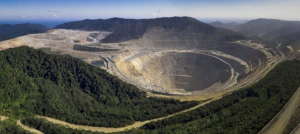
He also noted the agreement conflicts with Indonesia’s 2020 Mining Law (Law No. 3/2020), which limits raw mineral exports to three years − a deadline that passed in 2023. Allowing renewed exports, particularly of unrefined nickel and other critical minerals, directly undermines the country’s industrial downstreaming program.
Sartika Nur Shalati, Policy Strategist at Cerah Indonesia Foundaytion, echoed these concerns.
“Indonesia banned mineral ore exports in 2020 to promote domestic processing and job creation. Removing those barriers now would hurt local manufacturing, including in electric vehicle supply chains,” she said.
The deal may also backfire internationally. Having recently lost a WTO case against the EU over its nickel export ban, Indonesia’s trade favor to the U.S. could be seen as discriminatory. Sartika warned it may trigger retaliatory tariffs from Europe on key Indonesian exports such as palm oil, rubber, and textiles.
In the energy sector, massive gas imports from the U.S. could derail President Prabowo Subianto’s goals of 100 percent renewable energy and energy self-sufficiency.
“Importing U.S. gas will raise subsidy costs, burden the state budget, and reduce the competitiveness of Indonesian industries that rely on gas,” Tata Mustasya, Executive Director of the Indonesian Sustainable Prosperity Foundation (SUSTAIN), said.
He added that volatile gas prices and geopolitical tensions would create long-term economic risks and increase Indonesia’s dependency on fossil fuels, hampering efforts to combat climate change.
Environmental governance is another concern. According to Sartika, many nickel mining and smelting companies still lack transparency, reclamation plans, and meaningful community engagement.
“Opening exports to the U.S. without strict conditions will further weaken state oversight of the nickel sector and exacerbate the ongoing environmental crisis,” she said.
Critics call on the government to reassess the agreement, align its policies with national interests, uphold environmental and labor standards, and avoid being trapped in extractive, export-dependent trade relationships.
Already have an account? Sign In
-
Start reading
Freemium
-
Monthly Subscription
20% OFF$29.75
$37.19/MonthCancel anytime
This offer is open to all new subscribers!
Subscribe now -
Yearly Subscription
33% OFF$228.13
$340.5/YearCancel anytime
This offer is open to all new subscribers!
Subscribe now
Set up email notifications for these topics