


The Indonesian government is in the final stages of preparing its Second Nationally Determined Contribution (Second NDC), a strategic climate policy document that will guide national efforts from 2031 to 2035.
Minister of Environment and Head of the Environmental Control Agency, Hanif Faisol Nurofiq, emphasized that this document reflects Indonesia’s firm commitment to environmental protection and sustainable development.
“The Second NDC is not just a report. It’s a roadmap that demonstrates Indonesia’s seriousness in protecting the Earth, boosting economic competitiveness, and building a fairer future for all,” Hanif said on Friday, July 18, 2025.
The document responds to the global mandate from COP-28, particularly Decision 1/CMA.5, which calls for global emissions to peak between 2020 and 2025 and for greenhouse gas emissions to be reduced by 43 percent by 2030 and 60 percent by 2035, relative to 2019 levels of 1.147 billion tons of CO₂e. Indonesia must cut emissions to around 459 million tons of CO₂e to meet this goal.
The energy sector, which contributes 55 percent of Indonesia’s total emissions, is a primary focus. The country aims for a renewable energy mix of 27–33 percent by 2035, supported by electricity efficiency improvements and electric vehicle adoption.
Meanwhile, the forestry sector will contribute through the FOLU Net Sink 2030 target − ensuring net carbon absorption surpasses emissions, and reducing deforestation from 0.918 million hectares/year to under 0.3 million hectares/year.
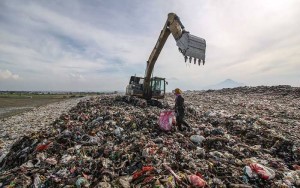
The strategy also includes transformation in waste management, through the Zero Waste, Zero Emission 2050 policy, and enhanced adaptation and mitigation in agriculture. The marine sector is another key area, with efforts to restore seagrass beds, coral reefs, and strengthen coastal protection against climate change impacts.
To ensure transparency and track implementation progress, Indonesia has introduced the National Registry System (SRN), a digital platform for public monitoring. Additionally, the government will expand its Climate Village Program (ProKlim) from 5,000 to 20,000 villages by 2035.
“Climate change knows no borders or social status. We are all affected, and we all have a role to play. Let’s make the Second NDC a shared movement,” Hanif urged.
With a systematic and inclusive approach, Indonesia is reaffirming its global leadership in climate action while ensuring a just and sustainable national development pathway.
Already have an account? Sign In
-
Start reading
Freemium
-
Monthly Subscription
20% OFF$29.75
$37.19/MonthCancel anytime
This offer is open to all new subscribers!
Subscribe now -
Yearly Subscription
33% OFF$228.13
$340.5/YearCancel anytime
This offer is open to all new subscribers!
Subscribe now
Set up email notifications for these topics