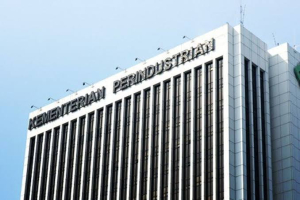



Deputy Minister of Industry Faisol Riza has expressed confidence that Indonesia’s textile and textile product (TPT) industry can reach a 70 percent utilization rate in the second half of 2025 in anticipation of the upcoming implementation of a revised trade regulation aimed at curbing excessive imports and revitalizing domestic manufacturing.
The revision involves the replacement of Minister of Trade Regulation No. 8/2024 with nine new decrees, one of which − Regulation No. 17/2025 − specifically addresses textile product imports. Effective August 2025, the new rule mandates technical considerations from the Ministry of Industry prior to the import of ready-made garments.
“We expect textile industry utilization to rise in the second half of 2025. Our target is 70 percent, even though the export market is still facing challenges,” Faisol said on Monday, June 30, 2025.
He cited that the revised policy was crafted in response to feedback from industry stakeholders and is intended to boost the availability of raw materials for domestic manufacturing, not stifle it.
Meanwhile, Ministry of Industry spokesperson Febri Hendri Antoni Arif acknowledged that the textile industry remained in a contraction phase in June 2025. However, he predicted a return to expansion territory from July to December, as a result of the implementation of Regulation No. 17.
“With import restrictions based on technical evaluations, we can better control the inflow of foreign goods and stimulate domestic orders,” he said.
He emphasized that an influx of imported textile products has caused a more than 10 percent drop in factory utilization, harming local manufacturers. He also pointed out that 80 percent of domestic textile production is consumed by the local market, particularly by households.
“If our national industry is constantly competing with cheap imports, it’s hard for producers to lower prices − especially with current weak consumer purchasing power. That’s why we must protect the domestic market,” he asserted.
The regulation is part of a broader industrial strategy to balance trade, improve competitiveness, and secure jobs in one of Indonesia’s most labor-intensive manufacturing sectors.
Already have an account? Sign In
-
Start reading
Freemium
-
Monthly Subscription
20% OFF$29.75
$37.19/MonthCancel anytime
This offer is open to all new subscribers!
Subscribe now -
Yearly Subscription
33% OFF$228.13
$340.5/YearCancel anytime
This offer is open to all new subscribers!
Subscribe now
Set up email notifications for these topics