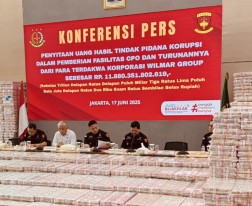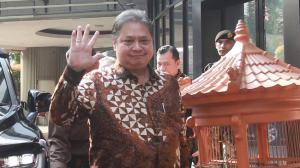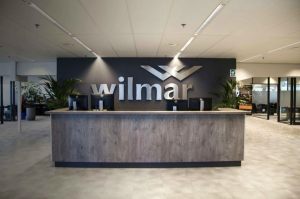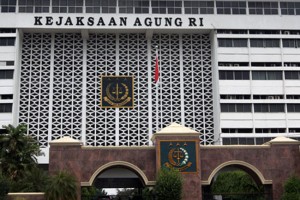


Agribusiness giant Wilmar Group clarifies that the fund transfer following the seizure of Rp11.8 trillion (US$720 million) by the Attorney General’s Office (AGO) in connection with the CPO export corruption case was not an admission of guilt, but a guarantee deposit requested by prosecutors as the appeal process is underway.
“The AGO requested that Wilmar show good faith and trust in the Indonesian justice system by depositing Rp11.88 trillion as a guarantee,” the group said on Wednesday, June 18, 2025.
The payment stems from a lower court ruling that acquitted Wilmar and several other corporate defendants of corruption charges, declaring that the actions in question did not constitute a criminal offense. Dissatisfied with the verdict, the AGO filed a cassation appeal with the Supreme Court.
While the appeal is still pending, five Wilmar subsidiaries PT Multimas Nabati Asahan, PT Multi Nabati Sulawesi, PT Sinar Alam Permai, PT Wilmar Bioenergi Indonesia, and PT Wilmar Nabati Indonesia, have transferred the funds to AGO’s escrow account.
Wilmar emphasized that the funds remain a security deposit, subject to return should the Supreme Court uphold the acquittal. However, should the court rule against the group, the funds could be confiscated to cover the alleged state losses.
“The guarantee may be seized, partially or entirely, depending on the verdict,” Wilmar said, reiterating its claim that all corporate actions in the CPO export process were “conducted in good faith and free from corrupt intent.”
Background
The CPO scandal first surfaced in 2022, when the AGO indicted five individuals, including high-ranking government and corporate officials, for allegedly abusing export licensing during a domestic cooking oil crisis.
Among those convicted were Indra Sari Wisnu Wardhana, former Director General of Foreign Trade at the Trade Ministry, and Weibinanto Halimdjati alias Lin Che Wei, a prominent advisor accused of brokering illegal export permits in exchange for bribes. Their actions were deemed to have financially benefited major palm oil producers.
Following the convictions, prosecutors widened the investigation to include corporate entities. Three conglomerates Wilmar Group, Permata Hijau Group, and Musim Mas Group were indicted. While the Jakarta Corruption Court ruled that their actions did not meet the threshold of criminal conduct, the AGO maintained that their operations caused substantial State losses.
The prosecution had originally demanded that Wilmar pay Rp11.88 trillion in restitution and Rp1 billion in fines, with a threat of asset seizure and 19 years’ imprisonment for company director Tenang Parulian if payments were not made.
Similar financial penalties were proposed for Permata Hijau and Musim Mas Groups, with restitution demands of Rp937 billion (US$57.2 million) and Rp4.89 trillion (US$298 million) respectively.
Judicial corruption allegations
As the Supreme Court deliberates, the AGO has also launched a parallel investigation into possible bribery behind the lower court’s acquittals. So far, eight individuals have been named suspects, including judges and court staff.
Among them are panel judges Djuyamto, Agam Syarif, and Ali Muhtarom, who issued the controversial verdicts,as well as former deputy chief of the Central Jakarta District Court Muhammad Arif Nuryanta and court clerk Wahyu Gunawan.
According to AGO officials, the Wilmar fund transfer,conducted in two tranches on May 23 and 26, 2025, was intended as part of the prosecution’s cassation memorandum. The funds are currently held in a special AGO account at Bank Mandiri, pending the final ruling.
“If the Supreme Court upholds the acquittal, the funds will be returned. If it rules otherwise, the money may be forfeited and transferred to the State treasury,” AGO spokesman Harli Siregar told reporters on Tuesday, June 17, 2025.
Fiscal impact
The case carries significant implications not only for corporate accountability, but also for Indonesia’s legal credibility and investor confidence. With the country seeking to position itself as a global palm oil leader amid increasing scrutiny over environmental and governance standards, the final verdict in this case will likely serve as a litmus test for legal transparency and anti-corruption enforcement.
Already have an account? Sign In
-
Start reading
Freemium
-
Monthly Subscription
20% OFF$29.75
$37.19/MonthCancel anytime
This offer is open to all new subscribers!
Subscribe now -
Yearly Subscription
33% OFF$228.13
$340.5/YearCancel anytime
This offer is open to all new subscribers!
Subscribe now
Set up email notifications for these topics