


Ministry of Energy and Mineral Resources (ESDM) has identified West Kalimantan as a region with significant and diverse energy potential, including nuclear resources, positioning it as a key candidate for future electricity generation development.
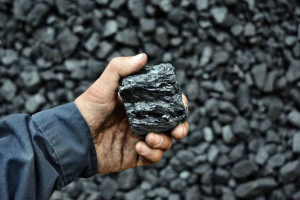
According to the Atlas of Geological Mineral and Energy Resources compiled by the ministry, the region holds combined uranium and thorium reserves of approximately 24,112 tons, primarily concentrated in Melawi Regency, West Kalimantan.
This revelation is echoed in the 2025–2034 Electricity Supply Business Plan (RUPTL) of State utility company PT PLN, which highlights West Kalimantan's energy diversity from hydropower, biomass, and biogas to coal and nuclear materials.
“The potential for nuclear power in West Kalimantan stems from uranium and thorium reserves located in Melawi,” the RUPTL document states as quoted on Tuesday, June 17, 2025.
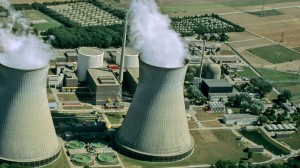
However, the realization of nuclear as a primary energy source remains contingent on national policy direction and the completion of comprehensive feasibility studies for nuclear power plant (PLTN) development.
The RUPTL document outlines several stringent prerequisites for the establishment and operation of nuclear power plants. These include ensuring a secure supply of nuclear fuel, establishing safe radioactive waste management systems, and maintaining rigorous oversight in line with International Atomic Energy Agency (IAEA) standards and Indonesian nuclear regulations.
To support long-term planning, the government through the National Research and Innovation Agency (BRIN), formerly BATAN, has conducted multiple site surveys across the archipelago. These studies assess geological stability, seismic activity, and natural disaster risks.
Of the 28 locations surveyed to date, all have been deemed technically feasible for nuclear plant development, with a combined potential capacity estimated at up to 70 gigawatts (GW).
Given the strategic energy needs of Indonesia’s interconnected power grid, early-stage PLTN construction is currently prioritized for the Sumatra and Kalimantan systems. These regions are seen as optimal not only due to available fuel resources but also because of growing regional demand and sufficient supporting infrastructure.
West Kalimantan, in particular, has garnered attention not only for its geological endowment but also its geographical stability considered a key factor for long-term nuclear investment.
While Indonesia has yet to green-light commercial nuclear energy deployment, momentum is building. Recent global trends, combined with domestic energy diversification goals and decarbonization targets, are gradually reshaping the conversation around nuclear energy.
Energy analysts say the inclusion of nuclear power in the national energy mix could significantly enhance Indonesia’s energy security, reduce reliance on fossil fuels, and contribute to long-term sustainability targets.
Still, public acceptance, policy clarity, and safety assurances remain crucial. As such, any move toward nuclear energy is expected to proceed with caution, backed by scientific assessments and robust regulatory frameworks.
Already have an account? Sign In
-
Start reading
Freemium
-
Monthly Subscription
20% OFF$29.75
$37.19/MonthCancel anytime
This offer is open to all new subscribers!
Subscribe now -
Yearly Subscription
33% OFF$228.13
$340.5/YearCancel anytime
This offer is open to all new subscribers!
Subscribe now
Set up email notifications for these topics