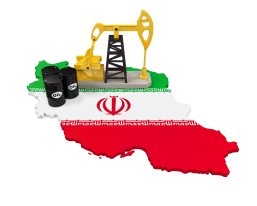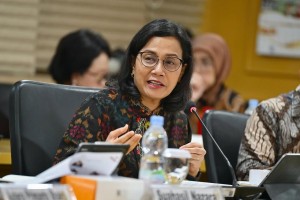



Minister of Finance Sri Mulyani Indrawati has sounded the alarm over rising geopolitical tensions in the Middle East, warning that the ongoing conflict between Iran and Israel has begun to reverberate through the global economy with oil prices surging and market volatility rising.
The minister cited the immediate market response in global energy prices as a sign of deeper financial stress ahead.
“This is only the third day since the conflict erupted, and already we’ve seen Brent crude oil prices jump by more than 8 percent from under US$70 per barrel to nearly US$78,” Sri Mulyani said during the monthly “APBN Kita” briefing on Tuesday, June 17, 2025.
According to her, the shock adds significant pressure on global economic fundamentals, including commodity prices, exchange rates, interest rates, and capital flows. “We are entering a period of heightened uncertainty,” she warned.
The turmoil in the Middle East comes at a time when other geopolitical and economic flashpoints are also intensifying. Sri Mulyani noted that U.S. trade policy under President Donald Trump, particularly the imposition of reciprocal tariffs on over 60 countries, has complicated global trade dynamics.
Only one country has reached a formal agreement so far, while the 90-day deadline to delay further tariff hikes is fast approaching in July.
She also criticized Trump’s “big and beautiful” fiscal proposal, saying it would likely add more than US$10 trillion to the U.S. federal deficit over the next decade.
“This is causing growing concern about fiscal credibility in major economies,” she said. Higher fiscal risks have led to rising U.S. bond yields, pushing up global interest rates and weakening investment sentiment in emerging markets.
“This mix of geopolitical disruptions, trade frictions, and ballooning fiscal deficits in advanced economies creates a storm of stagflationary risk inflation rises, while growth stagnates,” she cited.
Strait of Hormuz closure
Echoing the finance minister’s concerns, Mohammad Faisal, Executive Director of the Center of Reform on Economics (CORE) said that the conflict is already affecting oil markets and could escalate further if critical infrastructure is threatened.
“With Iran being the sixth-largest oil exporter, any disruption in supply can easily rattle markets. If the conflict intensifies and the Strait of Hormuz is closed, oil prices could shoot up to US$100 per barrel,” Faisal spoke to Indonesia Business Post on Tuesday, June 17, 2025.
However, he tempered fears by suggesting the likelihood of a full closure is relatively low. “Historically, Iran has threatened to shut the Strait multiple times during the Gulf War, for instance, but it has never followed through. Doing so would hurt Iran just as much as its rivals,” he said.
He also pointed out the U.S. naval presence in the Persian Gulf as a significant deterrence. “The U.S. and its allies have strategic interests in keeping the waterway open. Iran’s threats may be part of a strategy to raise the stakes without triggering direct confrontation,” Faisal cited.
Domestic outlook
For Indonesia, the surge in global oil prices could strain fiscal sustainability, increase the burden of energy subsidies, and weaken the rupiah amid capital outflows. Higher oil prices also feed into inflation, eroding purchasing power and adding pressure on the Indonesian Central Bank (BI) to tighten policy.
“Indonesia must remain vigilant. Global risks are growing on all fronts: war, trade policy, monetary tightening, and slowing global demand,” Sri Mulyani emphasized.
The Finance Ministry is now focusing on expenditure efficiency, subsidy reform, and strengthening fiscal buffers to mitigate external shocks. “We are watching these developments hour by hour,” she concluded.
Already have an account? Sign In
-
Start reading
Freemium
-
Monthly Subscription
20% OFF$29.75
$37.19/MonthCancel anytime
This offer is open to all new subscribers!
Subscribe now -
Yearly Subscription
33% OFF$228.13
$340.5/YearCancel anytime
This offer is open to all new subscribers!
Subscribe now
Set up email notifications for these topics