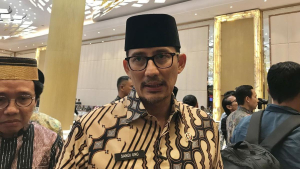



A legislator of the House of Representatives (DPR) Commission II, Indrajaya, has voiced his support for the Ministry of Home Affairs’ plan to revoke the legal status of community organizations (ormas) involved in acts of thuggery, while emphasizing that the state must not be defeated by criminal activity disguised as civil organizations.
“Such groups spread fear, cause unrest, create chaos, and disrupt social order. They must be dealt with firmly,” Indrajaya said in a statement on Friday, May 9, 2025.
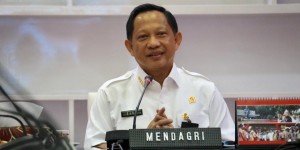
The statement follows an earlier announcement by Minister of Home Affairs Tito Karnavian, who affirmed the ministry's role in the Anti-Thuggery Task Force. This task force will impose administrative sanctions on organizations found engaging in criminal behavior.
Registered legal entities will be dealt with by the Ministry of Law, while organizations involved in criminal offenses will fall under police jurisdiction. Those not registered as legal entities, but listed with Kemendagri will have their organizational status revoked.
National values
Indrajaya, a legislator from the National Awakening Party (PKB), highlighted that such behavior is entirely inconsistent with the legal purpose of mass organizations as defined by Law No. 17/2013 on Community organizations.
Quoting Article 5 of the law, he reiterated that ormas are meant to:
● Increase public participation and empowerment;
● Provide services to the community;
● Uphold religious and spiritual values;
● Preserve societal norms, ethics, and cultural heritage;
● Protect natural resources and the environment;
● Promote solidarity, mutual cooperation, and tolerance;
● Strengthen national unity and integrity;
● Help realize the goals of the nation.
“Any ormas involved in thuggery has not only failed to fulfill its legal duties but has also directly violated the core mission of what these organizations are meant to represent,” Indrajaya said.
Government sanctions
Home Minister Tito Karnavian earlier clarified that unregistered ormas, or those proven to have violated public order, will no longer be eligible for government services.
“What’s the consequence for ormas that are declared unregistered? They won’t receive government support or facilities − for example, they won’t be eligible for grant funding,” Tito said at the Presidential Palace in Jakarta on May 8, 2025.
Both Tito and Indrajaya emphasized that this policy is not meant to limit civil society, but to ensure that organizations function lawfully and support national stability. The government, they assert, will not tolerate any form of intimidation or violence under the guise of community activism.
Tag
Already have an account? Sign In
-
Start reading
Freemium
-
Monthly Subscription
20% OFF$29.75
$37.19/MonthCancel anytime
This offer is open to all new subscribers!
Subscribe now -
Yearly Subscription
33% OFF$228.13
$340.5/YearCancel anytime
This offer is open to all new subscribers!
Subscribe now
Set up email notifications for these topics