


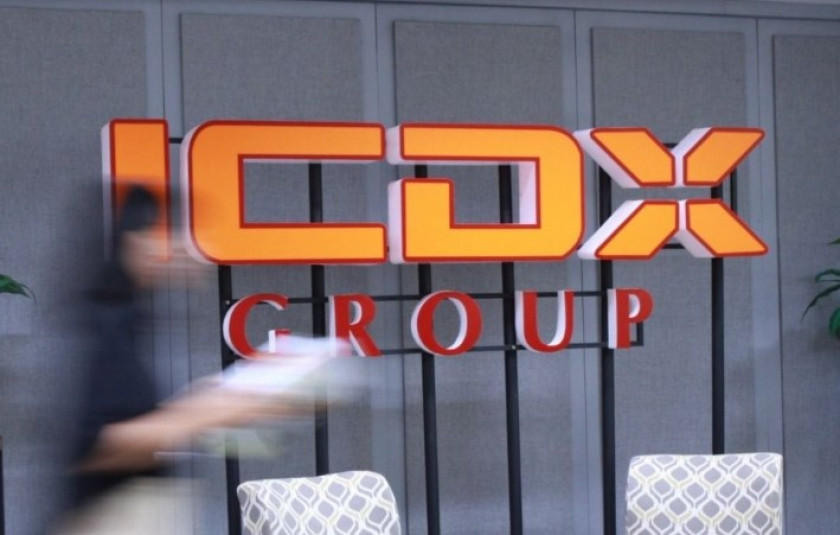
ICDX Group - image source: ICDX
Indonesia Commodity & Derivatives Exchange (ICDX), also known as Bursa Komoditi dan Derivatif Indonesia (BKDI), has secured approval from the Commodity Futures Trading Regulatory Agency (Bappebti) to operate as the organizer of the country’s first Physical Market for Renewable Electricity.
With this license, ICDX is now authorized to facilitate trading of Renewable Energy Certificates (REC), a key instrument in the global transition to clean energy.
A Renewable Energy Certificate represents proof that one megawatt-hour (MWh) of electricity was generated from renewable sources, such as solar, wind, hydro, or geothermal energy. These certificates comply with both national and international standards, enabling transparent accounting and reporting of renewable energy usage.
“This approval from Bappebti enables ICDX to facilitate REC trading in line with Indonesia’s national mandate to accelerate the development of renewable energy and reduce carbon emissions,” Fajar Wibhiyadi, President Director of ICDX, said as quoted in a statement on Wednesday, May 7, 2025.
Fajar noted that ICDX is fully prepared − both technologically and infrastructurally − to support REC trading. The exchange's platform is integrated with Evident I-REC and APX TIGRs registration systems, ensuring that trades can be conducted in real time under international compliance.
In this ecosystem, the Indonesia Clearing House will serve as the central clearing institution, managing trade settlements and guaranteeing transaction security.
Tirta Karma Sanjaya, Head of Bappebti at the Ministry of Trade, said the launch of the physical renewable electricity market is a significant step in leveraging Indonesia’s vast green energy potential. Companies operating in Indonesia can now use REC transactions to report their Scope 2 emissions − indirect emissions from electricity use − as part of their Net-Zero Emission strategies.
“REC is a credible instrument to track and report renewable energy consumption. It is recognized by global climate and emission standards such as the GHG Protocol, CDP, RE100, and SBTi,” Tirta said.
Bappebti sees this move not only as a way to increase the use of clean energy, but also as a mechanism for renewable energy producers to boost revenue and receive incentives for further development. The exchange empowers both corporations and individuals to participate in the creation of a sustainable and traceable green energy ecosystem.
The regulatory foundation for this market was laid out in Bappebti Regulation No. 11/2024, which defines the procedures for physical renewable electricity trading on futures exchanges.
Indonesia now joins a growing list of countries implementing REC markets through formal exchanges, including India’s IEX, Europe’s EEX, the Intercontinental Exchange in the U.S., Xpansiv in Australia, Air Carbon Exchange in Singapore, and Bursa Malaysia.
According to 2024 data from Indonesia’s Ministry of Energy and Mineral Resources (ESDM), the country has an estimated 4,686 gigawatts (GW) of untapped renewable energy potential from solar, wind, hydro, bioenergy, geothermal, and ocean currents.
Tag
Already have an account? Sign In
-
Start reading
Freemium
-
Monthly Subscription
20% OFF$29.75
$37.19/MonthCancel anytime
This offer is open to all new subscribers!
Subscribe now -
Yearly Subscription
33% OFF$228.13
$340.5/YearCancel anytime
This offer is open to all new subscribers!
Subscribe now
Set up email notifications for these topics